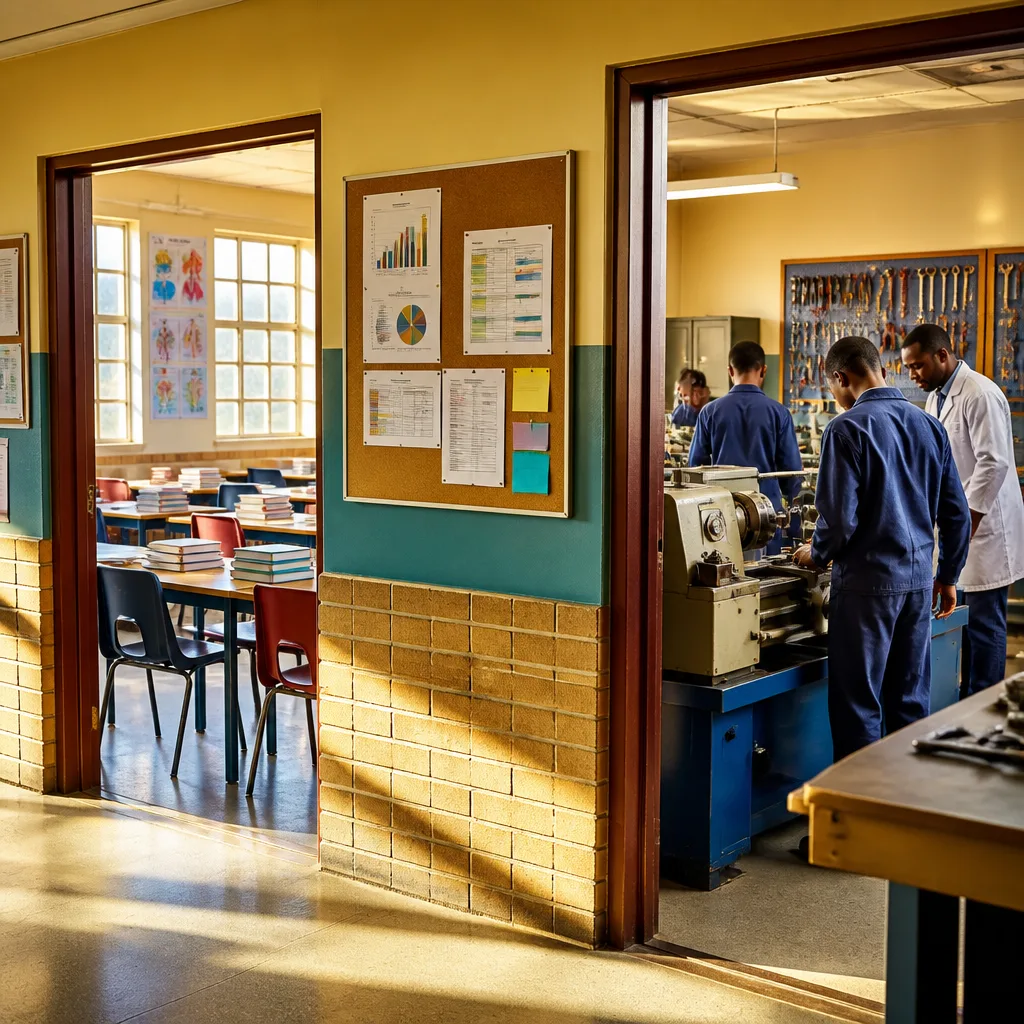
Lucy Powell, the incoming Labour education secretary, has set out a vision that places vocational training on an equal footing with academic study, saying secondary schools must deliver both ambition and high-quality technical routes for pupils.
Policy framing and political context
In an interview with the Guardian, Powell rejected the idea that prioritising vocational provision requires lowering standards. She argued that framing the debate as a choice between knowledge and skills is a "false trade-off" and that the Government should not preside over different levels of ambition for different groups of pupils.
"What I'm not going to oversee is some kind of lower ambition for some kids. It's about ambition for everybody."
Powell also characterised her approach in parental terms, saying she may be seen as a "tiger mum" for all children — signalling a commitment to drive up outcomes across the board, whether pupils follow academic or technical routes.
Funding and practical concerns
While pressing for parity between vocational and academic pathways, Powell acknowledged headteachers' worries about the financial burden of offering high-quality technical options. She said she was "very conscious" of the pressures on school budgets, which have faced sustained reductions during periods of austerity, and gave an assurance that any specific new proposals that emerge from Labour will be fully funded.
The interview also positioned Powell's stance against those who previously led education policy. She blamed former ministers for creating a system that left many young people without clear post-school pathways, noting that critics of her approach “have to take some responsibility for creating … a system that has left over a million young people now not in education, training or employment,” according to the published account.
Implications for schools and young people
Powell's comments signal a push to rebalance how secondary education values different routes into employment and further study. If reflected in policy, that would involve:
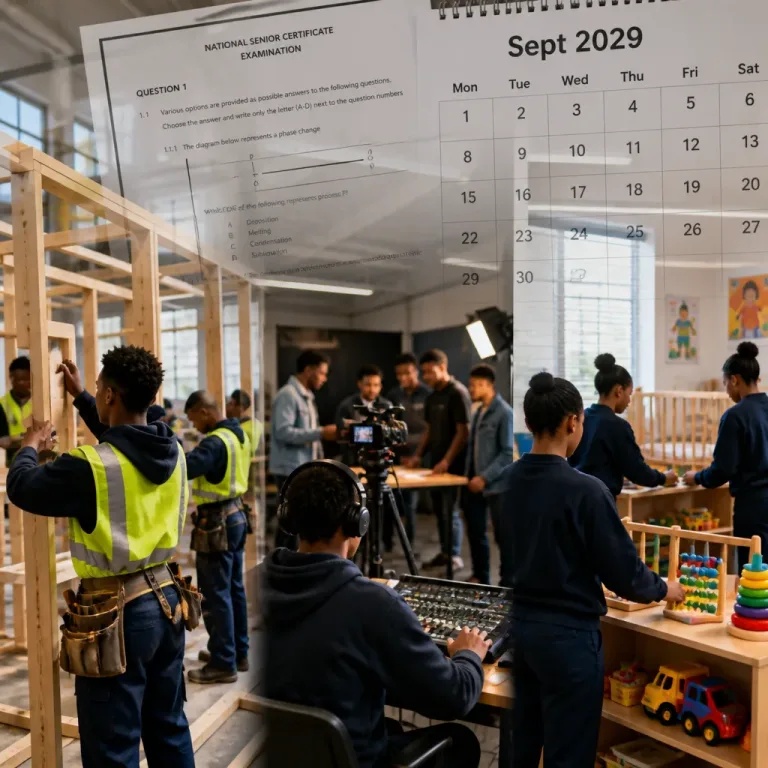
- Expanding and elevating vocational and technical qualifications alongside traditional academic qualifications.
- Developing stronger links between schools and local employers to align curriculum with labour market needs.
- Securing ring-fenced funding to enable schools to offer new or expanded vocational programmes without compromising existing provision.
Her remarks echo a broader policy debate about how to tackle youth unemployment and improve transitions from school into work and training. Labour figures, including Andy Burnham (referenced in the interview), have urged schools to adapt curricula to local business needs, aiming to raise the status of technical skills.
Questions that remain
Key details remain unclear from the interview: the specific vocational qualifications Labour would prioritise, the scale of additional funding required, and how accountability and quality assurance for technical routes would be managed alongside established academic measures such as examinations.
There is also the practical challenge of teacher recruitment and workload: the interview noted pressure on teachers, and Powell acknowledged the risk of further strain if schools must deliver new routes without adequate resources. Union responses and industrial relations, already strained in many jurisdictions, are another factor that could determine the pace and feasibility of any implementation.
For South African readers, the debate is pertinent. It highlights tensions familiar here: balancing academic excellence with vocational training, the role of schools in responding to local labour markets, and the funding required to expand meaningful alternatives to traditional schooling. While the interview relates to the UK, policymakers and education stakeholders in South Africa will recognise comparable questions about ambition, equity and resourcing.
Powell's public framing — ambitious vocationalism that does not dilute academic standards, plus a funding guarantee for new proposals — sets the direction for Labour's education agenda. The next step will be translating that direction into concrete policy and budget commitments, and addressing the operational questions schools and teachers immediately raise.