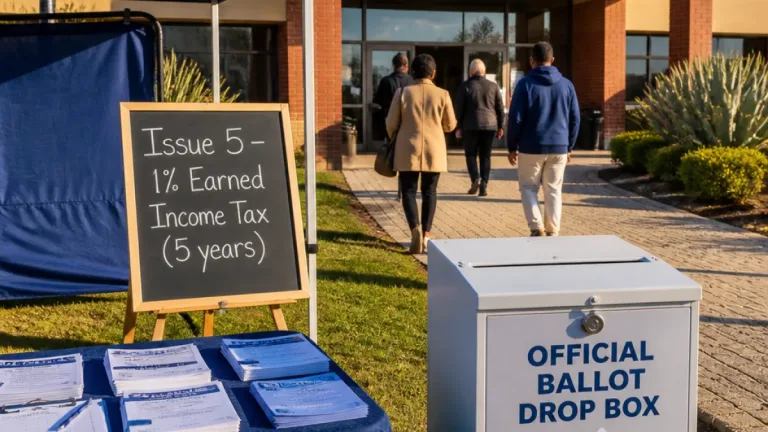

Democratic governors are confronting a fraught choice over a federal education tax credit created by the Republican domestic policy law that officials say will funnel billions into scholarships for private school tuition, tutoring, test preparation and after‑school programmes.
Politics, unions and parental pressure collide
Republican states moved quickly to embrace the scheme. Most Democratic governors, however, have hesitated amid intense lobbying by teachers’ unions that argue participation would undermine public schools and betray campaign commitments to protect them. At the same time, parents and a coalition of faith‑based schools, local chambers of commerce and public education leaders are urging governors to opt in so the money can reach families.
The incentive is structured as a federal tax credit intended to subsidise a wide range of education-related expenses. Supporters say it offers additional resources for families without increasing state budgets; opponents say it diverts funds and support away from public education.
“If they’re willing to cross this line, it starts to beg the question of where is that commitment in any of our elected officials?”
The comment came from Melinda Person, president of the New York State United Teachers union, who framed a governor’s decision to participate as a broader values test ahead of the 2028 presidential election cycle.
Divisions within the Democratic party
So far, only one Democratic governor — Colorado’s Jared Polis, who is term‑limited — has opted into the programme and described the credit as “free money.” Other Democratic governors have stalled, wary of alienating organised labour while also responding to constituents seeking greater educational choice or additional learning supports for their children.
Participation decisions are complicated by upcoming elections: at least 10 Democratic governors are standing for re‑election this year. New York Governor Kathy Hochul has signalled support for the credit, even in a state with powerful teachers’ unions, indicating the depth of the debate within the party.
What is at stake
The dispute is not solely ideological. Governors must weigh:
- Financial implications — whether the credit will bolster education opportunities without obligating state budgets;
- Political consequences — potential backlash from teachers’ unions and labour allies versus support from parents and business groups;
- Long‑term effects — how channelled funds to private and supplementary services could reshape local education ecosystems.
Organisations pressing governors to opt in argue the credit could deliver immediate relief and choices for families in strained systems. Teachers’ unions counter that endorsing a federal subsidy that supports private education and alternative providers risks eroding public schooling and the commitments made by the Democratic party to its base.
Implications for 2028 and beyond
Union leaders are treating governors’ choices as indicators of fidelity to public education principles as the party prepares for national contests. If participation becomes a litmus test, governors who accept the credit could face sustained criticism from organised labour and primary challenges; those who decline may be vulnerable to parent organising and business groups that promise political mobilisation on behalf of educational choice.
For now, the landscape remains unsettled. Republican states’ rapid sign‑ups have placed additional pressure on Democratic executives to articulate a clear position that balances immediate parental demand for support with longer‑term commitments to public schooling.
| Actor | Position |
|---|---|
| Teachers’ unions | Oppose participation; warn it weakens public schools |
| Parents and faith‑based schools | Urge governors to opt in for additional resources and choice |
| Democratic governors | Divided; most have stalled, Colorado’s Jared Polis opted in |
The choice facing Democratic governors illustrates a broader tension in education policy: whether federal incentives aimed at expanding options and supports can be reconciled with sustaining robust public schooling. As states decide, the political and policy consequences will reverberate into the next national election cycle and beyond.