The family of travel YouTuber Hlun Solo (legal name Bowornthat Pengsuk) confirmed his death after losing contact while he was travelling alone in Georgia to produce content, underscoring growing concerns about the safety and legal protections of solo creators in Thailand’s booming creator economy.
Embassy involvement and the immediate facts
Thai embassy officials travelled to Tbilisi, met Georgian police and confirmed that all of Hlun Solo’s belongings had been accounted for, the reporting said. The embassy continued coordinating with Georgian authorities and the creator’s relatives to clarify the circumstances surrounding his death.
How large and informal is Thailand’s creator economy?
Recent data cited in the report by Tellscore and other market researchers estimate that Thailand’s creator population numbers between 9 million and 11 million. Within that total, about 2 million work as full-time creators, while a further 7–9 million are part-time, nano or emerging creators producing content alongside other activities.
The figures highlight both the scale of the sector and its fragmented structure: many creators operate via personal accounts rather than through companies or professionally managed teams. That informality raises questions about who controls accounts and payments if something happens to a creator, and how digital assets are inherited or accessed by family members.
Money matters: earnings by follower tier
Earnings rise steeply with audience size, the research shows. A small group of mega-creators command the largest incomes, while macro creators — the group into which Hlun Solo’s channel was placed — often face the greatest exposure because they work alone or with minimal support.
| Creator tier | Follower range | Estimated monthly earnings |
|---|---|---|
| Mega-creators | At least 1 million | 200,000–2,000,000 baht |
| Macro creators | 100,000–1,000,000 | 50,000–300,000 baht |
Report authors estimate there are between 300 and 500 mega accounts and some 3,000–5,000 macro accounts. The macro group — including many travel and lifestyle creators who produce solo content — is singled out as structurally vulnerable because these creators frequently travel and work alone with limited legal or management support.
Practical vulnerabilities for solo creators
The case of Hlun Solo brought several practical risks into focus, as identified by the industry data:
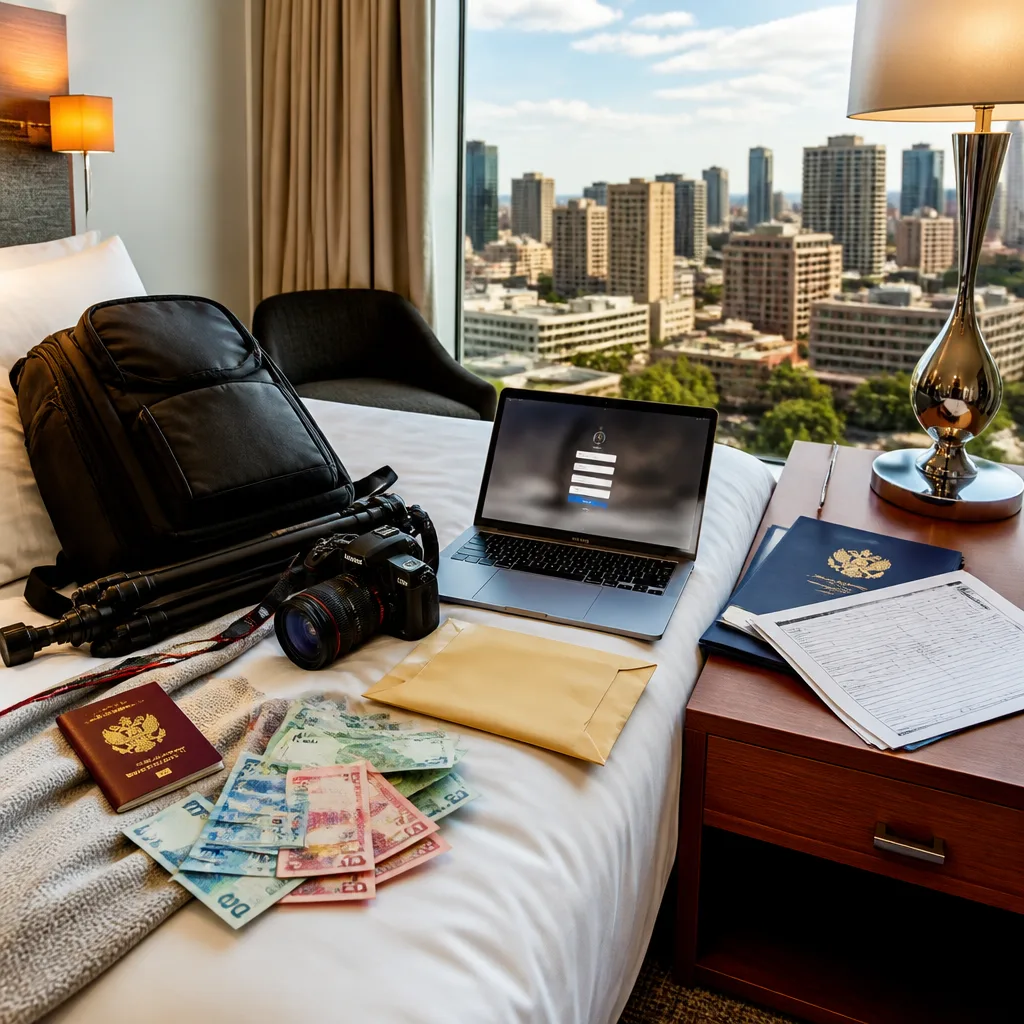
- Account ownership: Many creators use personal accounts that are not formally held by a company or trust, complicating access after death or incapacity.
- Payment access: AdSense, sponsorship and platform payments may be tied to individual bank accounts or verification documents, creating obstacles for families seeking to settle affairs.
- Digital inheritance: There is often no clear mechanism for transferring control of channels, social accounts or monetisation rights to relatives.
Those vulnerabilities are particularly acute for creators who depend on digital income streams and who travel frequently without a support team.
What this means for creators and the sector
The incident is likely to prompt renewed discussion among creators, platforms and intermediaries about basic protections and contingency planning. Options that have been raised in industry conversations include clearer account recovery processes, contractual arrangements for brand deals that specify what happens if a creator dies, and financial planning measures such as separating personal and business accounts.
For many of Thailand’s millions of part-time and emerging creators, however, formalising operations — for example by creating a registered company or engaging a manager — may be out of reach or undesired. That leaves a sizeable group exposed to the kinds of legal and administrative complications illustrated by this case.
The death of Hlun Solo is a human tragedy that also serves as a reminder of how quickly a digital career can outrun the legal and financial frameworks that support it. As Thailand’s creator economy continues to grow, industry stakeholders and policymakers will face pressure to address the gaps that leave individual creators and their families vulnerable.