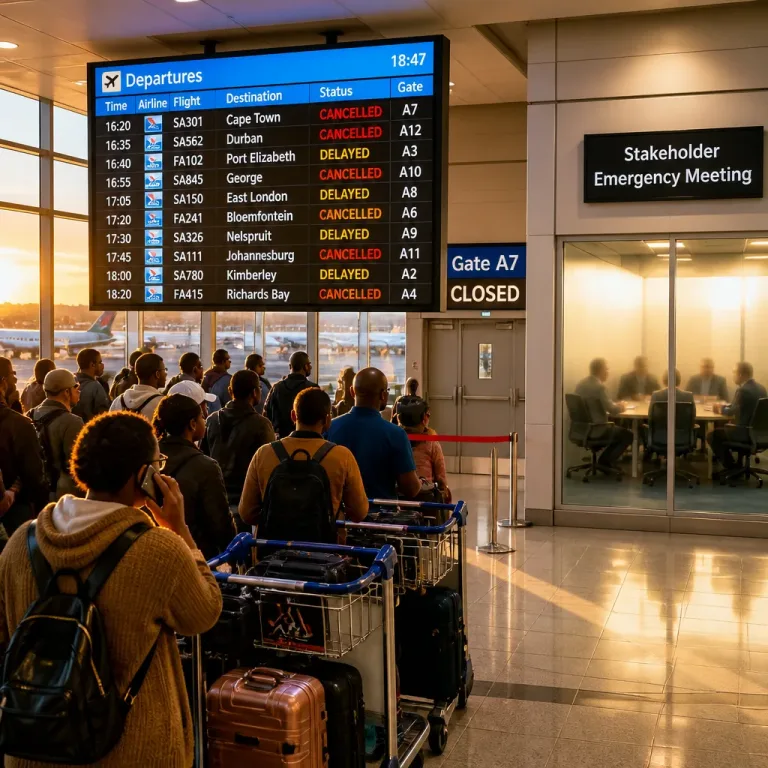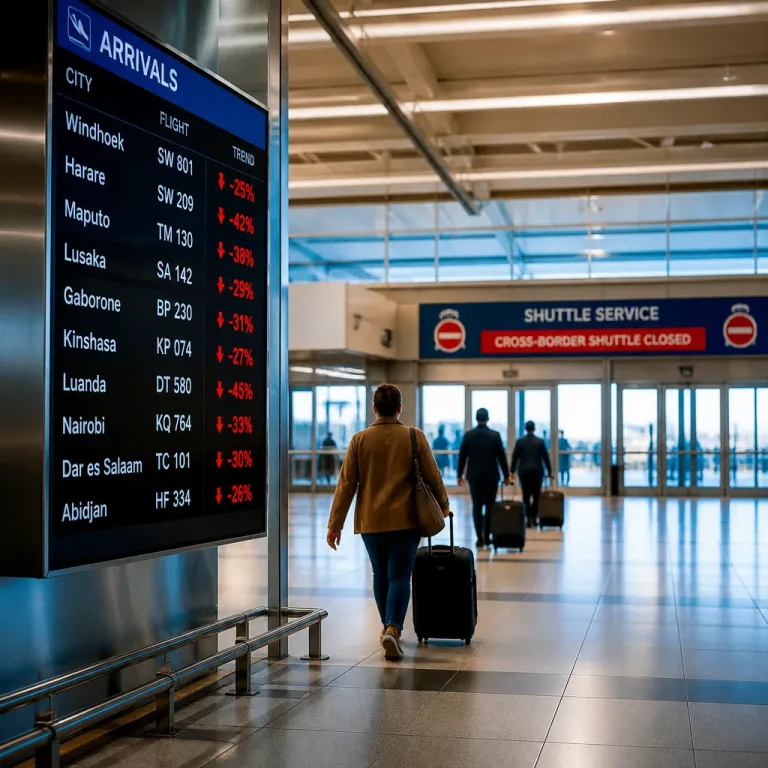
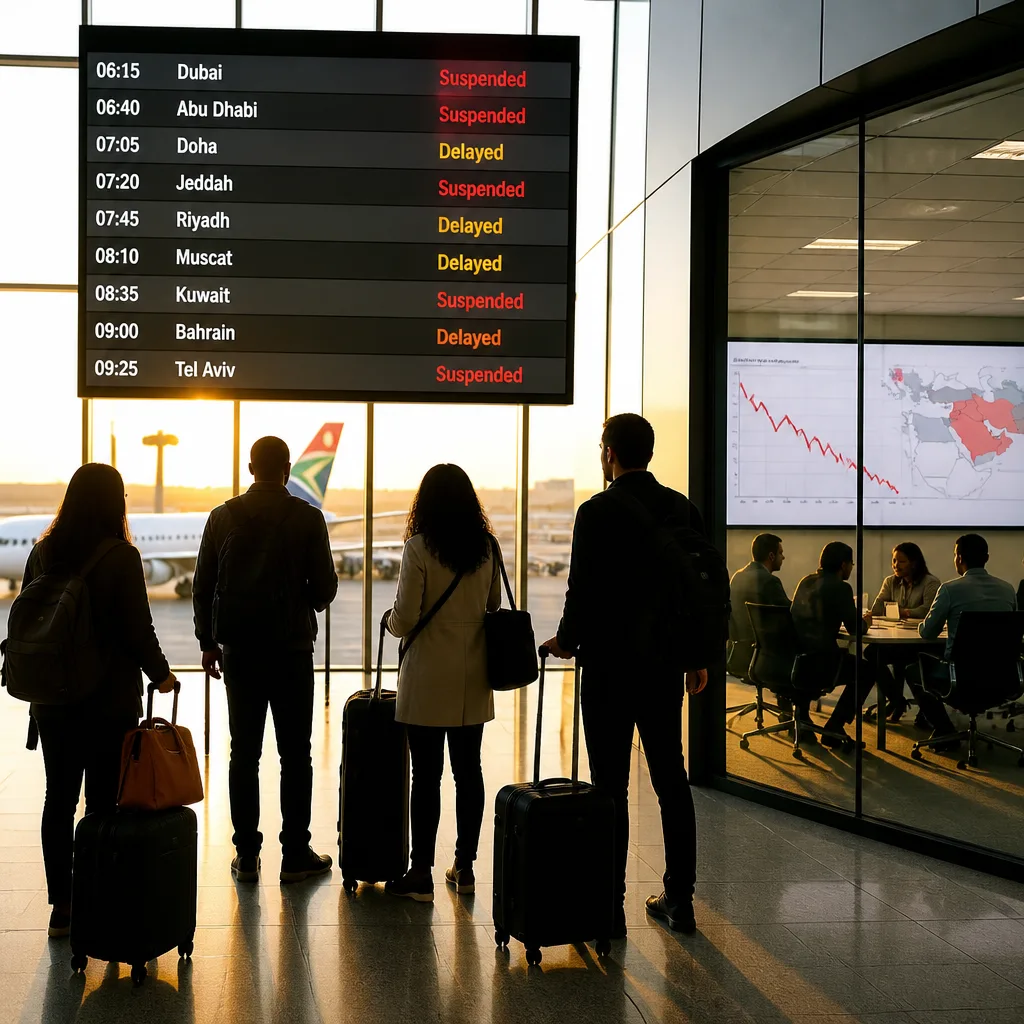
Booking Holdings reported stronger‑than‑expected second‑quarter profit on the back of resilient US domestic travel, but warned that the continuing conflict in the Middle East will keep a lid on international bookings and has prompted a cut to its full‑year forecast.
Profit beats but outlook clouded
The Norwalk, Connecticut‑based online travel group, parent to brands such as Agoda and Kayak, posted an adjusted profit of $2.54 per share for the quarter, ahead of analysts’ expectations of $2.45, according to data compiled by LSEG. The stronger result was driven largely by steady domestic and intraregional travel in the United States.
“While long‑haul international travel remained pressured by elevated airline prices and reduced capacity due to the conflict in the Middle East, domestic and intraregional travel remained relatively healthy,”
The company said it now expects full‑year gross bookings growth to be in the high single‑digits, a downward revision from its prior guidance of high single‑digits to low double‑digits. Booking flagged that reduced inbound travel to the Middle East and ongoing pressure on global flight routes are likely to persist through the third quarter.
Where the pressure is coming from
Executives pointed to two principal headwinds:
- Persistently constrained long‑haul international travel as airlines cut capacity or raise fares on affected routes.
- Reduced inbound travel to the Middle East, a region that hotel operators including Marriott, Hilton and Hyatt have also identified as a drag on revenue.
Despite these challenges, Booking’s management highlighted operational gains from investments in artificial intelligence. Finance chief Ewout Steenbergen said AI initiatives are already delivering measurable returns for the company. CEO Glenn Fogel noted improvements in customer service efficiency, with cost per booking continuing to decline at a double‑digit rate while satisfaction levels remain high.
Market reaction and wider industry context
Shares in Booking rose about 6% in after‑hours trading following the results, reflecting investor approval of the profit beat even as the company tempered its bookings outlook. The report opens US online travel earnings season and is watched as an indicator for global travel trends.
Industry observers have been monitoring how geopolitical events, higher airfares and capacity constraints shape travel recovery. The Middle East conflict — now in its sixth month according to Reuters reporting — has become a persistent source of uncertainty for long‑haul itineraries, particularly intercontinental routes that feed tourist and business travel flows.
What this means for travellers and travel businesses
The revised bookings outlook suggests a continued shift in demand patterns: stronger domestic and regional travel but slower recovery for long‑haul international trips. For South African travellers and the local industry, the main implications are:
- Possible continued pressure on international air fares and limited seat availability on certain long‑haul routes.
- Stronger demand for regional and domestic holiday options as travellers opt for shorter trips.
- Ongoing cost and revenue pressures for hotels and carriers exposed to reduced Middle East traffic.
| Metric | Reported | Consensus / Prior |
|---|---|---|
| Adjusted earnings per share | $2.54 | $2.45 (LSEG) |
| Full‑year gross bookings growth | High single‑digits (new) | High single‑digits to low double‑digits (previous) |
Booking’s emphasis on AI is also notable. Management expects the technology to help reduce customer service costs and improve efficiencies — a potential competitive advantage as travel companies seek to do more with slimmer margins. Concerns remain in the market about how agentic AI tools from the likes of Google or OpenAI could change booking behaviour, but Booking suggested it expects gradual testing rather than immediate large‑scale disruption.
For consumers planning travel, the near‑term takeaway is to be mindful of price volatility on long‑haul routes and to consider flexibility in plans. For travel businesses, the focus will likely remain on optimising regional offerings and leveraging technology to control costs and preserve service standards.