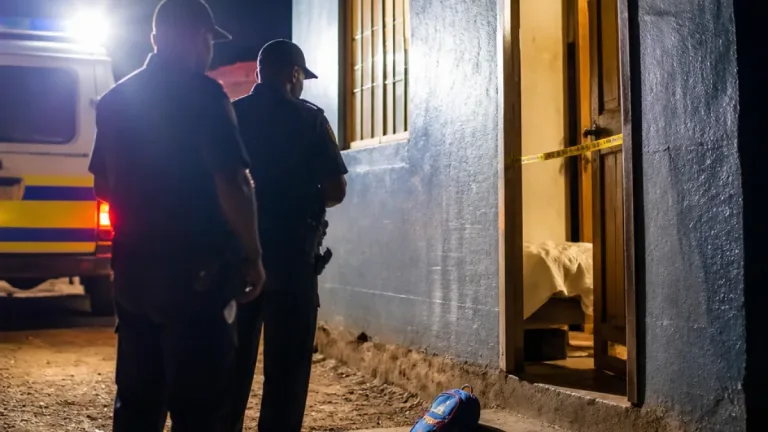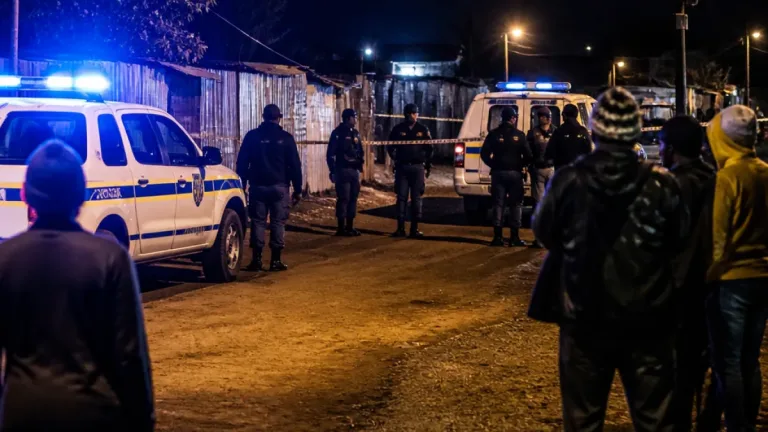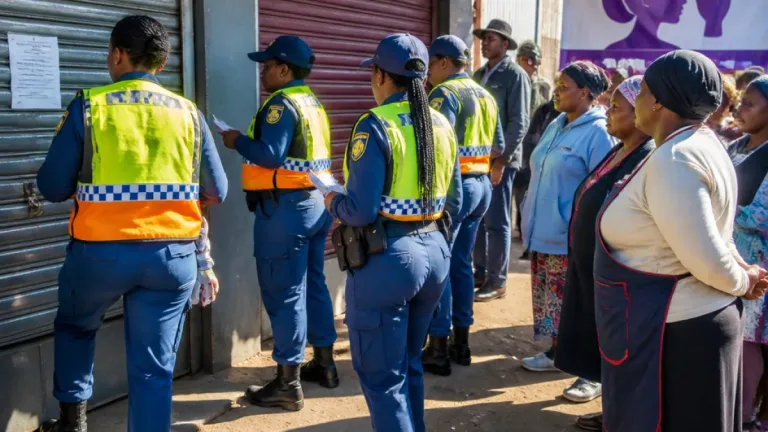
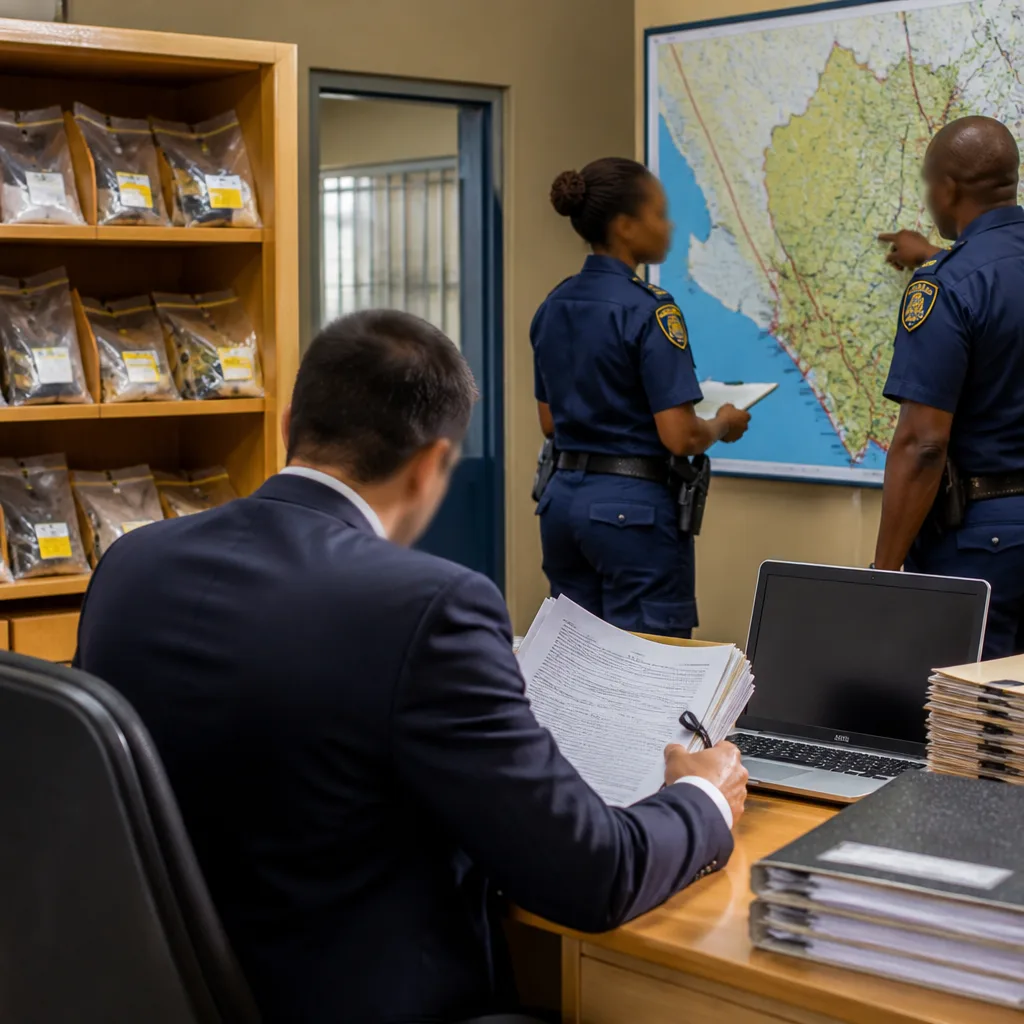
The Western Cape government will place lawyers full‑time inside police stations across the province for a period of three years to assist members of the South African Police Service (SAPS) in building stronger criminal cases, improving docket quality and ultimately increasing the prospects for successful prosecutions, provincial authorities said.
Project aims and scope
Provincial officials described the intervention as a hands‑on support measure for investigators and prosecutors at station level. The lawyers will be embedded in police stations on a full‑time basis for the duration of the three‑year pilot, working alongside SAPS personnel to strengthen case preparation, according to reporting.
"Premier Alan Winde has welcomed the new project, adding that it will bring much help to the SAPS and criminal justice system."
The project is framed as a practical response to persistent problems in the criminal justice chain: inadequate dockets, gaps in evidence collection and procedural mistakes that can undermine prosecutions. By locating legal expertise at the point where investigations originate, the province aims to reduce avoidable errors and bolster the quality of matters referred to the National Prosecuting Authority (NPA).
What the lawyers are expected to do
- Provide legal guidance at the investigation stage to ensure dockets are complete and admissible.
- Assist SAPS members in complying with evidentiary and procedural requirements.
- Help prepare matter files for efficient handover to prosecutors.
Officials and project proponents say these activities are intended to improve the chances of successful prosecutions, though the announcement presents the initiative as a pilot rather than a permanent structural change.
Context and potential consequences
Embedding lawyers at police stations is part of a growing emphasis on integrated criminal justice solutions: the approach recognises that problems in prosecutions often stem from deficiencies in initial investigations and docket preparation. If the pilot demonstrates measurable improvements in case quality, the model could be considered for wider rollout or adaptation by other provinces.
| Measure | Intended effect |
|---|---|
| Full‑time lawyers at stations (3 years) | Improve docket completeness and admissibility |
| On‑site legal guidance | Reduce procedural errors that derail prosecutions |
| Streamlined handover to prosecutors | Increase efficiency and likelihood of successful charges |
Stakeholders will be watching for concrete metrics to assess impact, such as reductions in docket returns from prosecutors, fewer withdrawn charges for procedural defects, or measurable increases in conviction rates. The announcement did not publish such targets; the project appears designed first to test operational feasibility.
Resource implications will also be closely observed. Embedding lawyers at station level requires funding, management oversight and clear lines of accountability between provincial legal staff, SAPS commanders and the NPA. How the roles will interact with existing prosecutorial functions and whether they will focus on particular crime types were not specified in the initial report.
Broader implications for the criminal justice chain
If successful, the model could contribute to a more joined‑up approach across investigation, prosecution and court processes. Conversely, practical obstacles — such as staff coordination, role clarity and sustainable resourcing — could limit the pilot's effectiveness. The Western Cape's decision to trial the measure for a defined three‑year period indicates an intent to assess these trade‑offs before considering long‑term adoption.
The project has been welcomed by provincial leadership as an immediate measure to support SAPS and strengthen the criminal justice system. Further details on the number of stations involved, selection criteria and performance metrics are expected as the pilot is rolled out.