Prepare for a drier, warmer summer. The South African Weather Service (SAWS) has confirmed that parts of the Western Cape recorded their driest July on record, and that a strengthening El Niño is likely to bring widespread dry and warm conditions across South Africa during the coming spring and summer. Households, farmers and water managers should consider measures to conserve water and reduce heat risks.
What happened in July
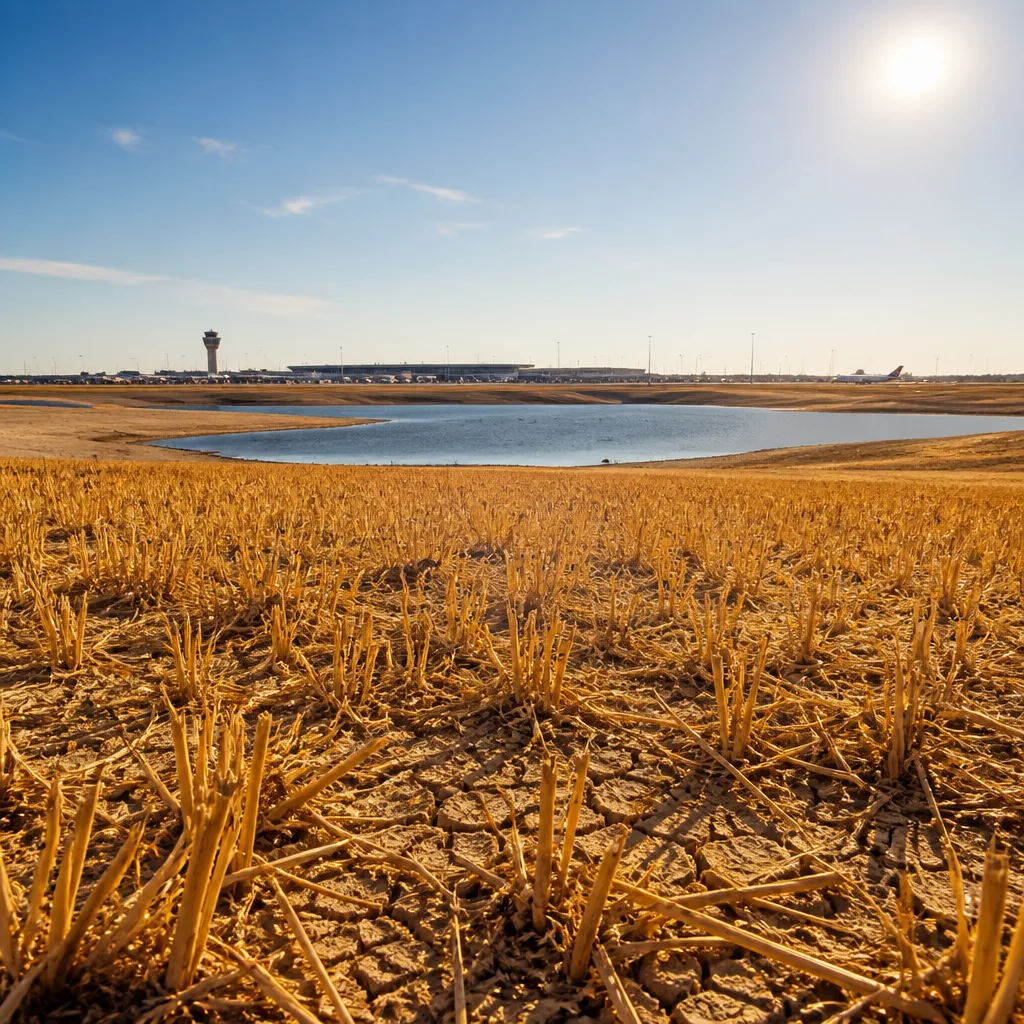
SAWS reported that below‑normal rainfall that began in June continued into July, with several locations in the south‑west of the province recording their lowest July totals on record. Cape Town International Airport, for example, logged just 14.4mm of rain in July — its lowest July rainfall in 68 years.
“Below‑normal rainfall was observed in June and persisted into July [in the southwestern region of the province], with several parts of the region recording their lowest rainfall on record during July,” SAWS said.
SAWS explained that a strong blocking Atlantic high to the west steered cold frontal systems further south than usual, so systems that normally bring winter rain to the Western Cape missed the province.
Impacts for agriculture and water
Weather experts and economists are already noting consequences for crops. The dry conditions have added pressure to winter crops, particularly wheat. The Agricultural Business Chamber’s chief economist, Wandile Sihlobo, said the planted wheat area for 2026 was about 473,000 hectares, approximately 8% smaller than the previous season — the smallest wheat area since 1929.
SAWS emphasised that the recent dry spell in the Western Cape was driven by mid‑latitude weather systems this winter rather than by El Niño itself, which typically exerts its strongest influence during spring and summer. Nonetheless, SAWS warned the developing El Niño is expected to bring the typical pattern of drier and warmer conditions for large parts of South Africa over the upcoming season.
What residents and sectors should do now
- Households: increase water conservation measures and prepare for higher home cooling needs later in spring and summer.
- Farmers: review irrigation plans, investigate drought‑tolerant varieties where appropriate, and monitor crop and soil moisture closely.
- Municipalities and water authorities: accelerate demand‑management plans and assess storage to anticipate lower inflows.
- Health services and emergency planners: prepare for increased heat‑related illness and potential fires in dry vegetation areas.
Context and outlook
Although mid‑latitude cyclones that track further south were the immediate cause of the Western Cape’s unusually dry July, SAWS’ seasonal outlook points to El Niño strengthening and likely influencing the country’s weather from spring into summer. Historically, El Niño summers in South Africa tend to be warmer and yield reduced rainfall over many regions, raising concerns for water resources, agriculture and fire risk.
| Metric | Value |
|---|---|
| Cape Town Int. Airport July rainfall | 14.4mm (lowest July in 68 years) |
| Wheat planted (2026) | 473,000 ha (about 8% below 2025) |
SAWS’ statement noted that earlier severe weather in May and early June did improve water storage in parts of the Western Cape, but the recent high‑pressure blocking pattern prevented subsequent fronts from delivering their usual rainfall. With El Niño expected to intensify, national and provincial authorities should consider early mitigation and adaptation steps.
Residents should follow SAWS forecasts and warnings, conserve water where possible, and take precautions against heat as conditions warm into spring and summer.