The Senate Committee on Health, Education, Labor and Pensions advanced a bipartisan bill this week that would prohibit the US Department of Education from transferring several central offices to other federal agencies, a move designed to slow an administration effort to overhaul the Cabinet-level department.
What the bill would stop
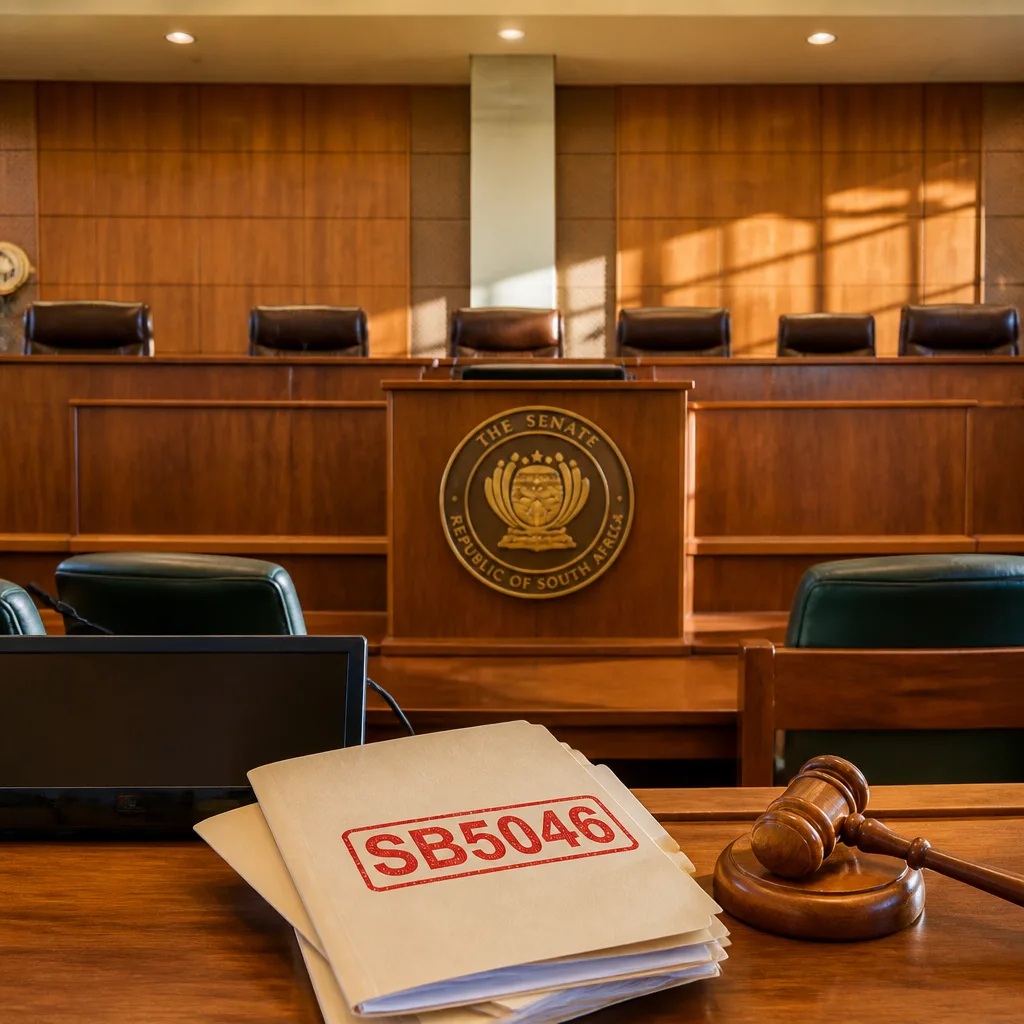
Senate Bill SB5046, co-sponsored by Sens. Tim Kaine (D‑Va.), Susan Collins (R‑Maine) and Lisa Murkowski (R‑Alaska), would prevent the Department of Education (DOE) from moving four named offices out of the department. The offices listed in the legislation are:
- Office of Special Education and Rehabilitative Services
- Office of Postsecondary Education
- Office of Indian Education
- Office of Elementary and Secondary Education
During Thursday’s committee meeting, Senator Collins described the bill as straightforward and argued the offices should remain where Congress originally placed them.
“This bill is straightforward. It keeps the administration of important landmark education programmes at the Department of Education (DOE), where Congress specifically put them and where they belong.”
Context: an administration reorganisation
The measure arrives amid a push by Education Secretary Linda McMahon to reassign key oversight responsibilities — including special education and civil‑rights enforcement functions — to other federal departments such as the Justice Department and Health and Human Services. The administration has framed the interagency agreements as a way to increase efficiency, while critics contend the moves form part of a broader effort to diminish or close the 46‑year‑old department.
According to reporting, McMahon and a group of other Cabinet members sent a letter to congressional leaders this week promoting the benefits of the disputed interagency arrangements.
Next steps and stakes
The committee’s vote advances SB5046 to the Senate floor. If debated and passed, the bill would legally restrict the DOE from effecting the specified transfers.
The legislation touches on several contentious issues in federal education policy. The offices named in the bill oversee programmes and enforcement that affect millions of students — from special education services and postsecondary grants to elementary and secondary schooling and education for Native American communities. Moving such functions to other departments would shift not only administrative responsibility but also the locus of policy and enforcement decisions.
| Office named in SB5046 | Primary focus |
|---|---|
| Office of Special Education and Rehabilitative Services | Special education and services for students with disabilities |
| Office of Postsecondary Education | Higher education policy and federal postsecondary programmes |
| Office of Indian Education | Education issues affecting Native American students and communities |
| Office of Elementary and Secondary Education | K–12 policy and federal elementary and secondary programmes |
Lawmakers advancing the bill argue keeping these offices within the DOE preserves congressional intent and a clear administrative home for long‑standing federal education programmes. Supporters of the reorganisation say interagency agreements can streamline services and remove duplication.
As the measure moves to the full Senate, the debate will force senators to confront whether administrative reshuffling is a legitimate management reform or an attempt to hollow out a Cabinet department. The outcome will determine where responsibility for major federal education functions sits in the short term — and could shape education policy and enforcement for years if the dispute continues.
For now, SB5046 represents the Senate’s most concrete legislative response to the administration’s reorganisation plan, signalling bipartisan resistance to moving several core education offices out of the Department of Education.