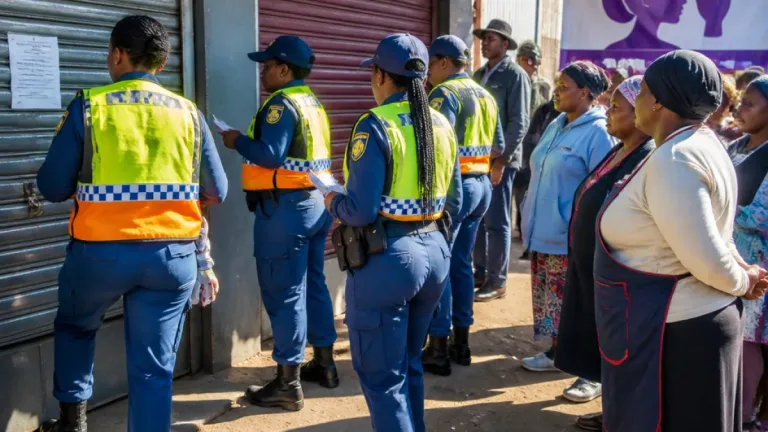
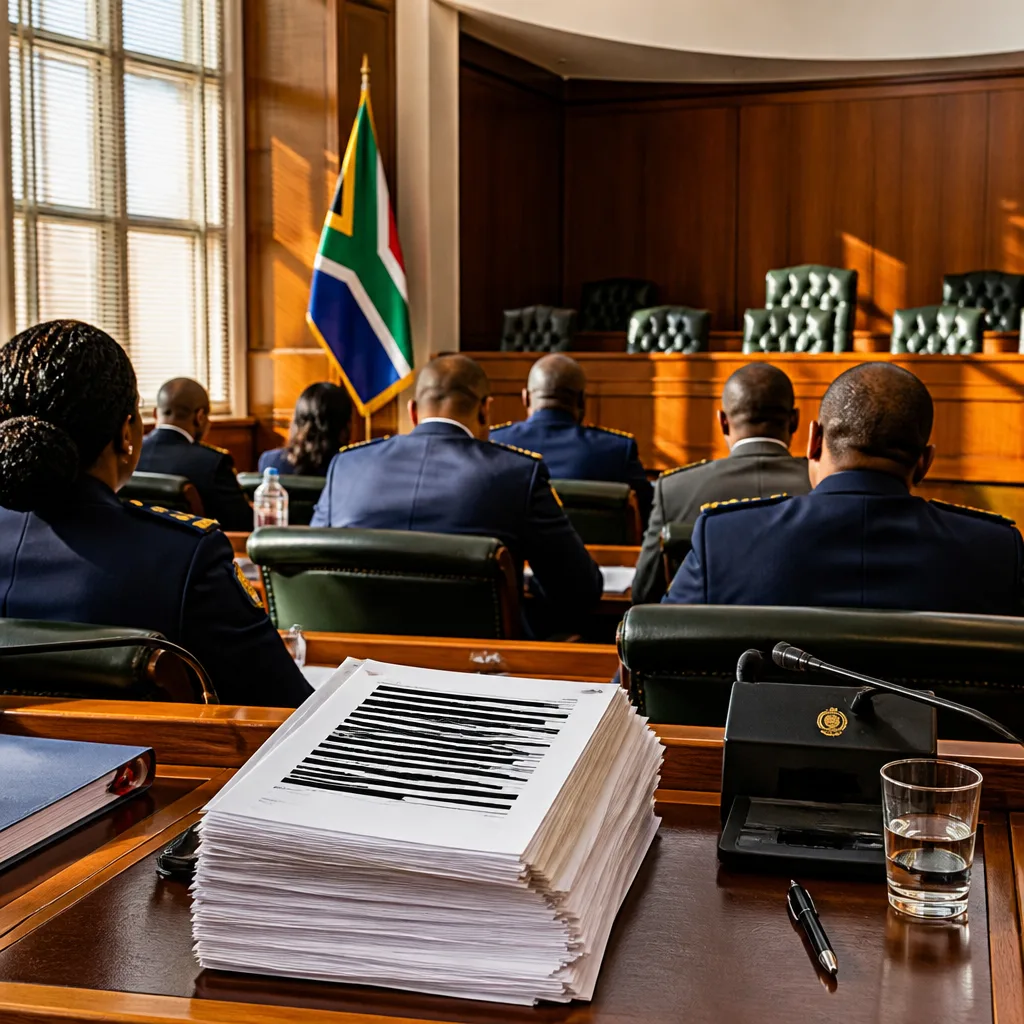
Acting Police Minister Firoz Cachalia told Parliament the SAPS Amendment Bill could be a turning point for policing — a so‑called “Madlanga moment” — but the draft law presented to MPs has been criticised for preserving the existing structure of command and appointment and for failing to enact the substantive changes long recommended after high‑profile policing failures.
Bill misses structural reforms urged for years
In an initial briefing on the Bill, Cachalia said the legislation formed part of a broader police “reset” and appealed to MPs that reform was required. Yet analysis of the draft shows it does not address several core reforms repeatedly proposed in policy documents and inquiries.
- No demilitarisation of ranks: The Bill does not implement a removal of militarised rank structures in the SAPS, a reform proposal that appears in the 2012 National Development Plan (NDP) and in expert panel recommendations following the Marikana killings.
- No independent appointments body: The Bill skirts creation of a national policing board or independent appointments mechanism for senior police ranks, preserving the current system in which the President appoints the national commissioner and the national commissioner appoints deputies and provincial commissioners.
- Vague merit language: The draft adds a clause referencing “a transparent, competitive and merit‑based process” for appointments but contains no detail on public or parliamentary roles, leaving existing appointment powers intact.
Those omissions are significant in the context of findings exposed at the Madlanga Commission of Inquiry, which interrogated factional politicking, political interference and corruption within the criminal justice system.
“This Madlanga moment that calls out for reform,” Cachalia told MPs, adding: “If we get this right, it does have the potential to reshape policing in the decades to come.”
Reform recommendations remain unimplemented
The push for demilitarising policing has roots in multiple state reviews. The proposal featured in the 2012 NDP and was reiterated by a panel of experts convened after the Farlam commission looked into the 2012 Marikana massacre, when police shot and killed 34 striking Lonmin mineworkers. Those reviews sought changes to rank structures, recruitment and oversight to reduce the potential for excessive force and political capture.
Instead of crafting detailed institutional safeguards, the Bill relies on broad language about merit and transparency without establishing independent institutions to manage recruitment, selection, appointment and promotion at the highest levels.
Accountability and public trust at stake
Public trust in policing remains low, as highlighted by opinion surveys cited in parliamentary debate. The Madlanga Commission’s testimony on factionalism and political influence intensified calls for structural reform. Critics argue that preserving presidential appointment powers and the national commissioner’s control over senior appointments risks perpetuating patronage networks rather than dismantling them.
Parliament now faces the task of interrogating the Bill’s shortcomings. If the legislation is adopted without stronger checks, transparent appointment processes and clear steps to demilitarise ranks, reformers warn the opportunities opened by the Madlanga Commission could be lost.
The acting minister framed the Bill as a necessary first step toward a reset. Whether it will be the legislative vehicle that realises the broader recommendations from the NDP, the Farlam‑panel and the Madlanga Commission remains contested.
| Issue | What the Bill does | What critics say is missing |
|---|---|---|
| Demilitarisation | No substantive change | Elimination of militarised rank framework |
| Appointments | Promises merit‑based process in principle | Independent national policing board; public/parliamentary role |
| Oversight | Preserves current appointment powers | Detailed institutional safeguards to prevent factionalism |
Parliamentary committees and stakeholders will now consider whether the Bill should be strengthened to reflect the systemic reforms long argued for by policy experts and commissions of inquiry.