Netflix’s The Ultimatum drew fresh scrutiny with its fourth season, which critics and viewers described as among the streamer’s most turbulent runs. The show’s format — pressuring couples to decide between marriage and separation after a partner spends time with a new person — produced a season that many found difficult to watch and that, according to coverage, culminated in a widely publicised reunion where several couples had already split.
Season 4 intensifies familiar criticisms
Commentary on the season highlights two recurring concerns about the franchise: that contestants regularly enter the programme with unresolved, deep-rooted issues, and that the production structure appears to steer participants towards dramatic, but unhealthy, outcomes. Observers said the majority of Season 4 couples presented barriers that felt too large to bridge simply through the show’s accelerated timeline. A smaller number of pairings, the coverage noted, may have benefitted from therapy rather than televised ultimatums.
The season’s edit was judged by some to be a rare example of reality television aligning with viewer perception. Reporting indicated that the editorial choices portrayed contestants in a way that matched how events unfolded off-screen: many of the relationships featured prominent red flags and, as the reunion later revealed, several couples had broken up.
Queer spinoff cancelled, sparking debate
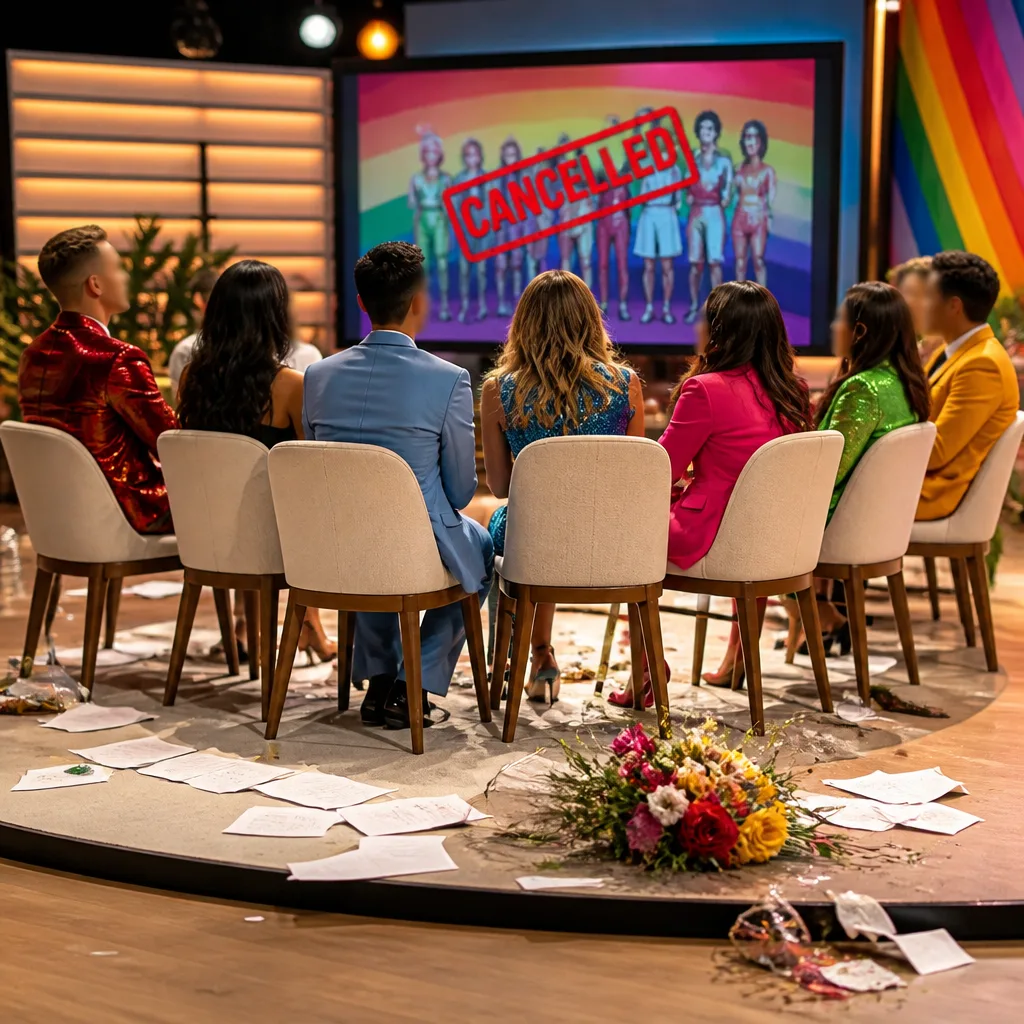
Separately, The Ultimatum: Queer Love, the series’ queer edition that attracted praise for its complexity and emotional candour, has been cancelled by Netflix. Critics and long-time viewers of the franchise reacted strongly to the decision; the queer format had been seen by some as a more authentic and compelling iteration precisely because it embraced messiness and nuance in queer relationships.
- Viewer reaction: Many fans argued the queer spinoff offered richer storytelling and representation.
- Production concerns: The original heterosexual format continues to be criticised for encouraging premature commitments.
- Aftermath: Social-media conversations have intensified, with accusations and personal fallout spreading beyond the show.
Reporting around the season also detailed how the post-show environment became toxic for some participants, with social platforms hosting a swirl of accusations and heated debate about the behaviour of former contestants. The coverage suggested that the combination of intense editing, public exposure and unresolved private disputes has transformed the cast into a focus of online controversy.
What this means for reality television
The twin developments — a notably fraught season and the end of the queer spinoff — raise questions about how streaming services balance entertainment value, participant welfare and representation. Some commentators have asked whether the conventional mechanics of romantic-reality formats are compatible with ethical production standards, especially when participants leave the show in worse personal circumstances than when they entered.
| Series | Recent development |
|---|---|
| The Ultimatum (Season 4) | Described as one of the franchise’s most turbulent seasons; several couples later split after the reunion. |
| The Ultimatum: Queer Love | Cancelled by Netflix despite strong viewer praise for its complexity. |
Industry observers will be watching how Netflix and producers respond to critiques about contestant wellbeing and editorial responsibility. For South African viewers — who increasingly follow international reality formats and see local adaptations emerge — the discussion underscores broader conversations about how relationships and identity are framed on screen.
As the debate continues, the franchise’s recent trajectory provides a case study in the tensions between ratings-driven drama and the real-life consequences experienced by participants thrust into the glare of global audiences.