Fabien Frankel has spoken about the years‑long build to Criston Cole’s final stand in House of the Dragon, describing a fight sequence shaped by weariness as much as skill. The actor said the death scene in Season 3 was designed to show his character’s exhaustion after a long campaign rather than present battles as effortless spectacle.
Making a fight feel lived-in
In a recent interview with Mashable’s entertainment desk, Frankel explained that he and the stunt team deliberately paced the combat to convey fatigue. He emphasised the importance of matching choreography to a character who has endured long travel and repeated conflict, rather than allowing the action to look polished and easy.
"The big thing I found with all those fight scenes in general, in medieval‑adjacent films, [is that] everyone always looks like it's so easy, and I wanted him to look exhausted,"
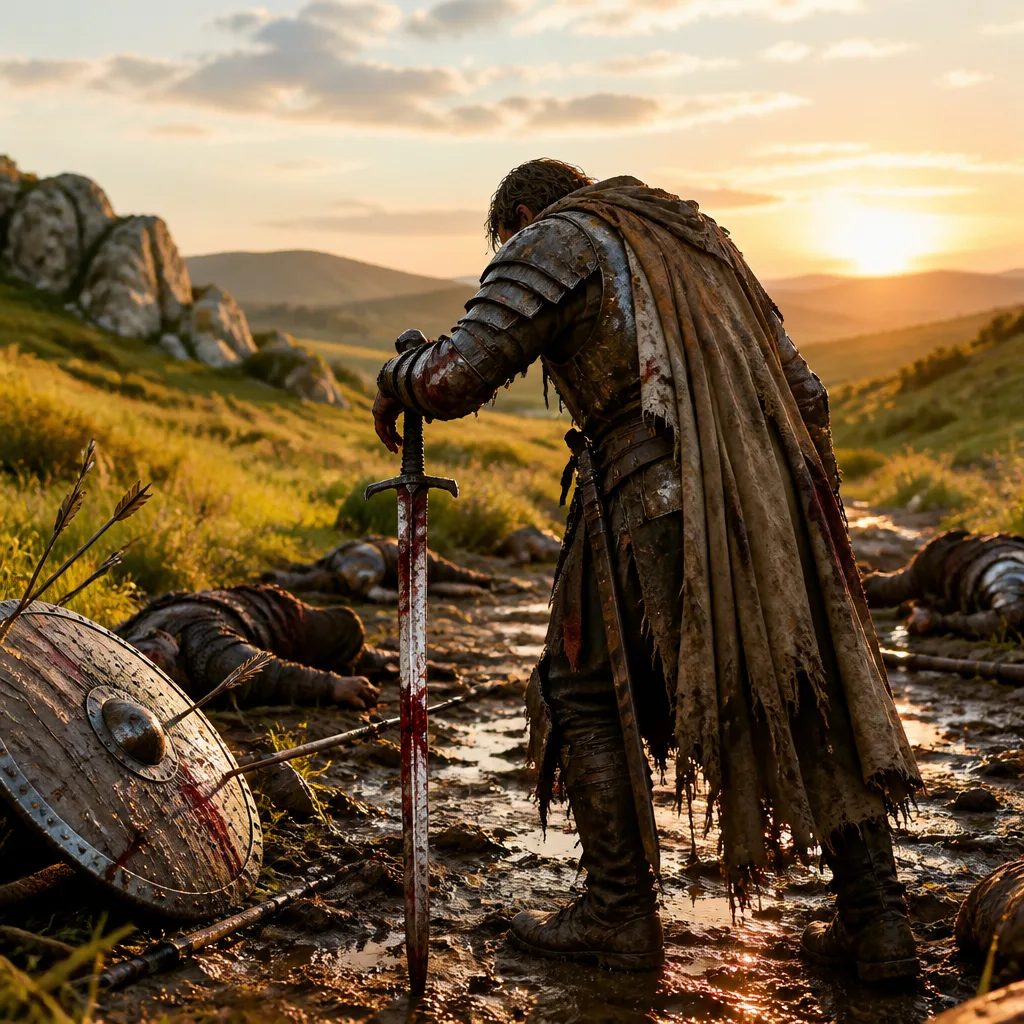
The actor said they worked to "build the beats" that reveal Criston’s breathless state in the course of the ambush that culminates in his death. The sequence shows the knight—who has a high public profile within the story—taking multiple mortal wounds before his last moments.
What the scene delivers on character and spectacle
Season 3 stages a prolonged death march for Criston Cole, who, before his final fall, kills a number of opponents. The reporting notes he dispatches at least 10 enemy soldiers during a brutal ambush, underlining that the sequence balances effective combat with the narrative of a warrior worn down by circumstance.
- Actor: Fabien Frankel
- Character: Ser Criston Cole
- Notable screen action: Kills at least 10 opponents before being struck by arrows
Frankel framed the work as collaborative: extensive rehearsal and coordination with stunt professionals were necessary to land both the physical beats and the emotional truth. He said the intention was to avoid presenting medieval combat as effortless and instead allow the audience to see the cost paid by a warrior en route to a fatal endpoint.
Implications for performance and genre expectations
The actor’s comments point to a broader trend in prestige fantasy and historical drama: filmmakers and performers increasingly aim for visceral realism in action sequences. That approach foregrounds the toll of violence on bodies and psyches, rather than treating every clash as choreography for its own sake. For viewers, the result can be a more affecting and credible depiction of combat and consequence.
For fans of the show who followed Criston’s arc across seasons, the sequence closes a long emotional and physical trajectory. It also illustrates how production choices—rhythm, breath, exhaustion—can alter audience perception of a character’s final moments. The combination of decisive kills followed by crippling injury creates a complicated farewell: a demonstration of prowess that is nevertheless undercut by the inevitability of mortal injury.
While promotional interviews often focus on spectacle, Frankel’s reflections centre the actor’s responsibility to truthfully inhabit physical decline within action. That perspective has resonance for how future fantasy productions might stage violence: not only to dazzle, but to tell a human story about cost and consequence.
| Aspect | Detail from reporting |
|---|---|
| Final scene | Ambush leading to Criston being struck by arrows |
| On‑screen kills | At least 10 enemy soldiers |
| Actor's emphasis | Portrayal of exhaustion and breathlessness |
The interview adds a performance‑focused angle to the conversation around the show’s Season 3 choices: beyond plot developments, it highlights the craft of staging combat in ways that serve character. For viewers and critics alike, those details matter when assessing how convincingly a programme translates narrative stakes into physical reality.