The Eastern Cape Department of Education authorised close to R4 billion in contracts to a single private company, Khumzi Investments, over five financial years, with travel and accommodation costs accounting for the bulk of the spending, an IOL investigation has reported.
Payments authorised on hundreds of occasions
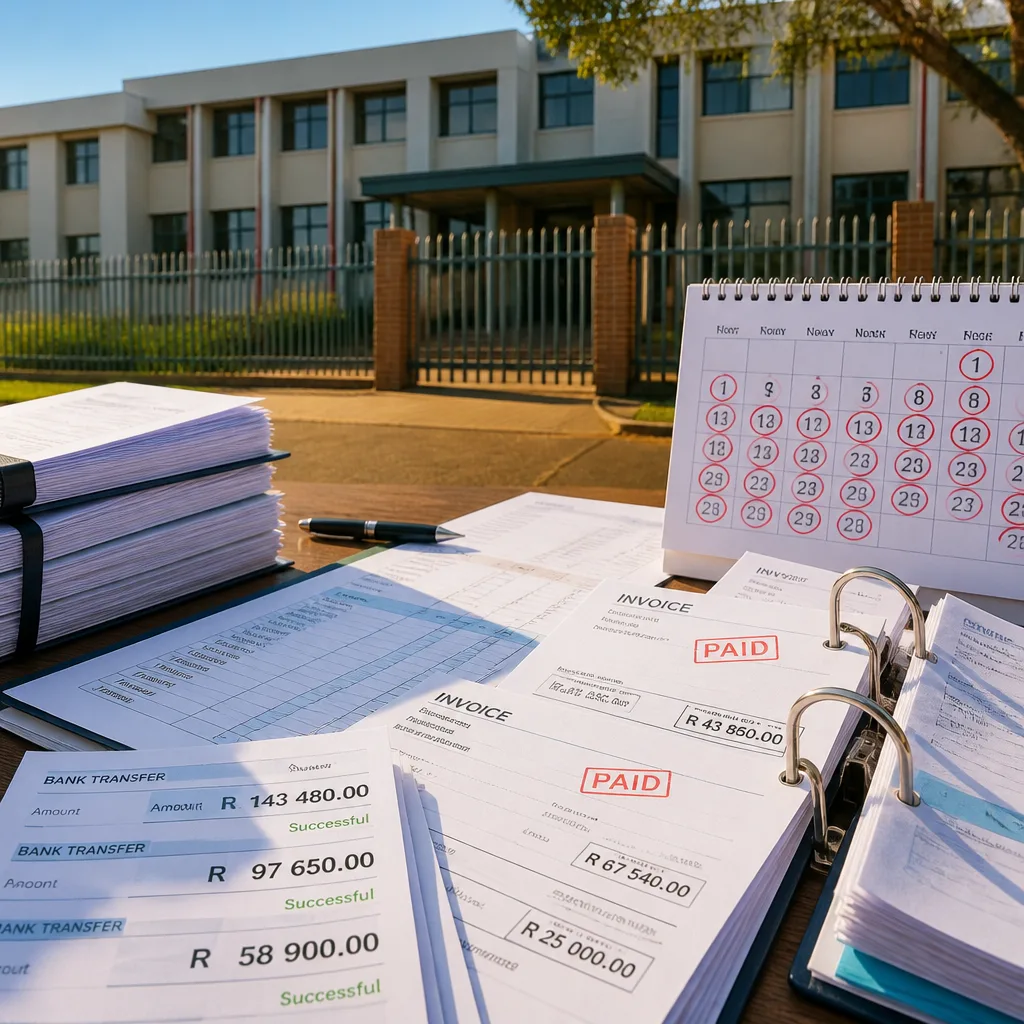
The department authorised payments to Khumzi Investments on 1,317 occasions between 14 January and 28 November last year, amounting to R336,556,106.50, according to the report. On one day in September the department made 17 separate payments to the company and on a day in November it made 68 payments.
The IOL reporting states that the total value of contracts awarded to Khumzi over five years is almost R4bn, with travel and accommodation identified as the largest component — about R3.4bn in total. The travel and accommodation expenditure rose from R211.8m in 2021/22 to R1.17bn in 2025/26.
"There are delays in payments due to the financial constraints within the department wherein payments are made late or delayed," Education MEC Fundile Gade said in a written reply to the provincial legislature, according to IOL.
In the same reply, signed on 31 October 2025, MEC Gade said no internal investigations had been conducted into Khazimla Catering and Khumzi Investments for potential irregularities, conflicts of interest or collusive practices, and that "no payments are currently disputed or flagged as irregular expenditure," the report says.
What the published figures show
The published figures in the IOL report point to a rapid increase in travel-related expenditure commissioned by the education department and paid to a single contractor. The department itself has acknowledged cashflow problems that it says have led to late payments to suppliers.
- 1,317 payment authorisations to Khumzi between 14 Jan and 28 Nov (R336,556,106.50).
- R3.4bn of the nearly R4bn in contracts was for travel and accommodation.
- Travel and accommodation rose from R211.8m (2021/22) to R1.17bn (2025/26).
| Financial year | Travel & accommodation |
|---|---|
| 2021/22 | R211.8m |
| 2025/26 | R1.17bn |
The IOL piece also reported that Khumzi Investments' director, Sakie Sakhumzi Magele, took ownership of several regional newspapers in May. The company reportedly does not have an active public website: typing its domain returns a bare server directory with a folder labelled "travel", which was empty, the publication said. The article says Magele did not respond to questions and that his attorney requested the documents used by the journalist and warned of urgent legal action.
Questions of oversight and transparency
The scale and pattern of payments raise governance and oversight questions for the provincial education department. The department's acknowledgement of financial constraints provides a partial explanation for late payments to suppliers, but does not address why a single supplier received concentrated spending for travel and accommodation over multiple years without internal probes, according to the report.
The facts published by IOL are limited to the payment records and the MEC's written reply. They stop short of documenting formal findings of irregular expenditure or criminality; MEC Gade's office said no payments were currently flagged as irregular, the report notes. The reported figures, however, will likely prompt scrutiny from provincial oversight bodies and may attract queries at national level about procurement controls in education departments amid constrained budgets.
Such oversight is central to ensuring public resources intended for schooling and related services are allocated transparently and efficiently. The department's disclosure to the provincial legislature, as reported, provides a basis for follow-up by auditors and elected oversight committees.
For now, the IOL investigation has made the scale of payments public and recorded the department's response; it remains for auditors and oversight structures to determine whether those payments complied with procurement rules and represented value for money.