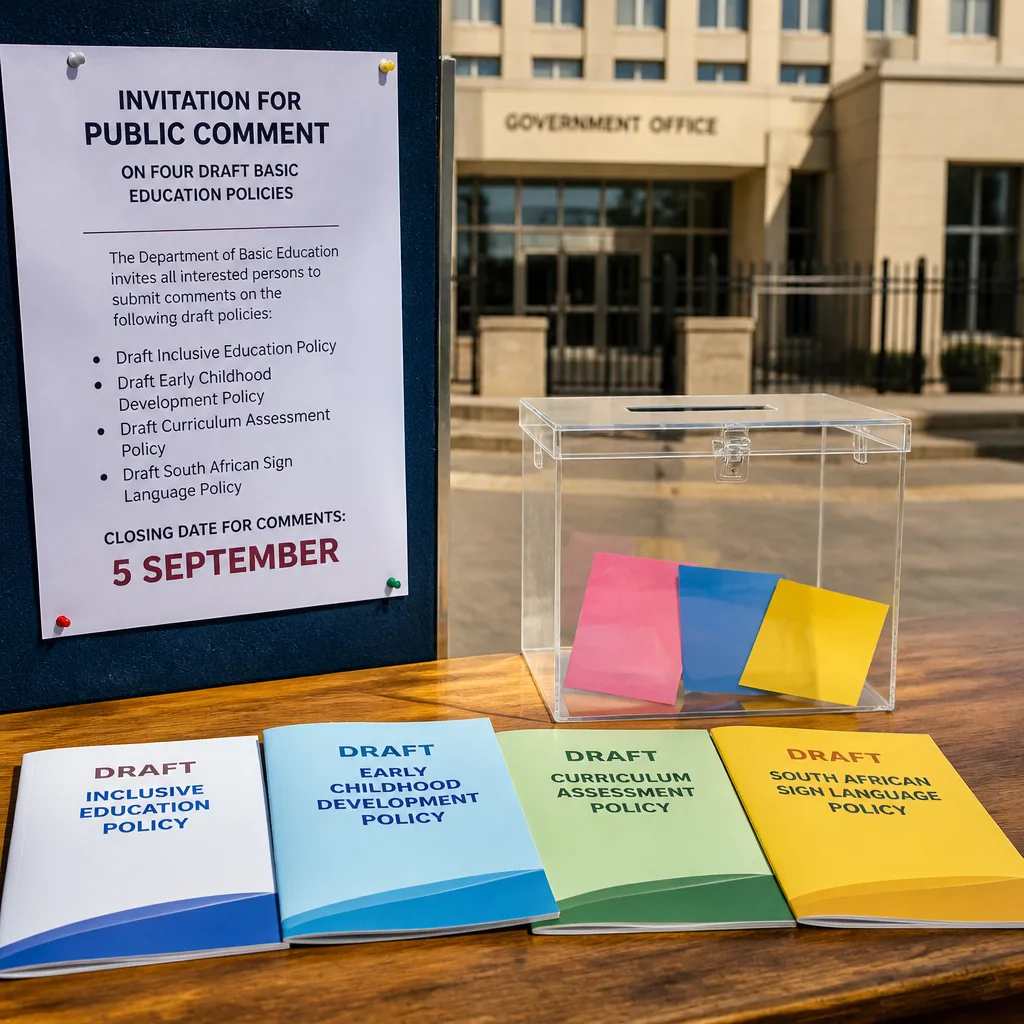
The Department of Basic Education has opened a 30-day consultation on four draft instruments that give effect to the Basic Education Laws Amendment (BELA) Act, the ministry announced. Members of the public have until 5 September at 23:59 to submit comments.
Scope of the draft instruments
The package consists of a draft notice on the election of members of School Governing Bodies (SGBs) and three sets of draft regulations. Together the instruments set out proposals on the way SGBs are elected, conditions for additional payments to state-employed educators, minimum standards for teacher development facilities, and a national education information framework.
The department said the documents are part of the process to implement BELA and aim to provide a consistent national framework while setting operational safeguards where required.
Key proposals
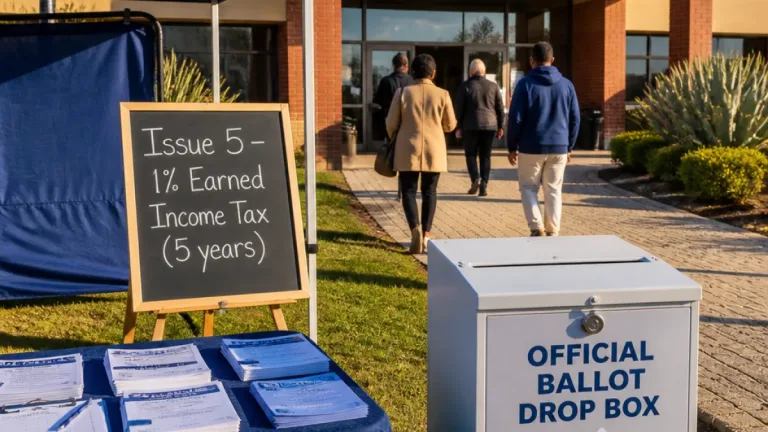
- SGB elections: The draft Notice Relating to the Election of Members of Governing Bodies outlines a common national approach and identifies three voting methods — a meeting-based election, voting across a designated election day, or secure electronic voting where a school can ensure adequate capacity and safeguards.
- Remuneration safeguards: The Draft Regulations on the Prohibition of the Payment of Unauthorised Remuneration seeks to regulate circumstances in which an SGB might pay a state-employed educator or other qualifying state employee for additional work. The rules aim to prevent informal or unregulated payments by requiring oversight and specified procedures.
- Teacher development infrastructure: Draft norms and standards propose minimum requirements for Provincial Teacher Development Institutes and District Teacher Development Centres to make sure teachers nationwide have access to functional, safe and inclusive professional-development venues.
- Education information system: The Draft Regulations on the National Education Information System set out a national framework for the collection, verification, storage, protection and permitted uses of education data, underlining the department’s position that reliable information is essential for planning and accountability.
Implications for schools and provincial offices
If adopted, the electoral notice could change how SGB elections are run in many schools, by permitting electronic voting where technological and security conditions are met. That would require schools and provincial education departments to assess capacity and implement safeguards against manipulation or loss of data.
The proposed remuneration regulations are intended to strike a balance between recognising genuine additional work performed by state employees and preventing unregulated payments that could undermine public-sector payroll controls. The draft text emphasises oversight and formal approval processes.
Minimum standards for teacher development centres aim to address uneven access to professional learning facilities across provinces. The department has framed these measures as a way to ensure teachers have equitable access to safe, inclusive and functional spaces for continuous professional development.
Consultation and next steps
The department has invited written submissions from stakeholders and members of the public over the 30-day consultation window. It did not, in the published notices, set out a timetable for final promulgation of the instruments after the consultation period closes.
| Instrument | Main focus |
|---|---|
| Notice on SGB elections | Common national election framework; three voting methods |
| Regulations on unauthorised remuneration | Controls on payments to state-employed educators for extra work |
| Standards for teacher development centres | Minimum norms for provincial and district development facilities |
| National Education Information System | Framework for collection, verification, storage and use of education data |
The department emphasised the role of reliable data and accountable governance structures in improving education outcomes. Stakeholders who wish to comment should consult the published drafts and submit their views before the consultation deadline.
Submissions received during the consultation will inform any revisions to the drafts before the department proceeds to finalise the instruments that will give effect to provisions of the BELA Act.