Bangladesh is pressing for tighter collaboration between employers and technical and vocational education and training (TVET) institutions to prepare young workers for a rapidly evolving, greener industrial economy, delegates at a Dhaka seminar heard.
Industry-TVET partnerships seen as central to transition
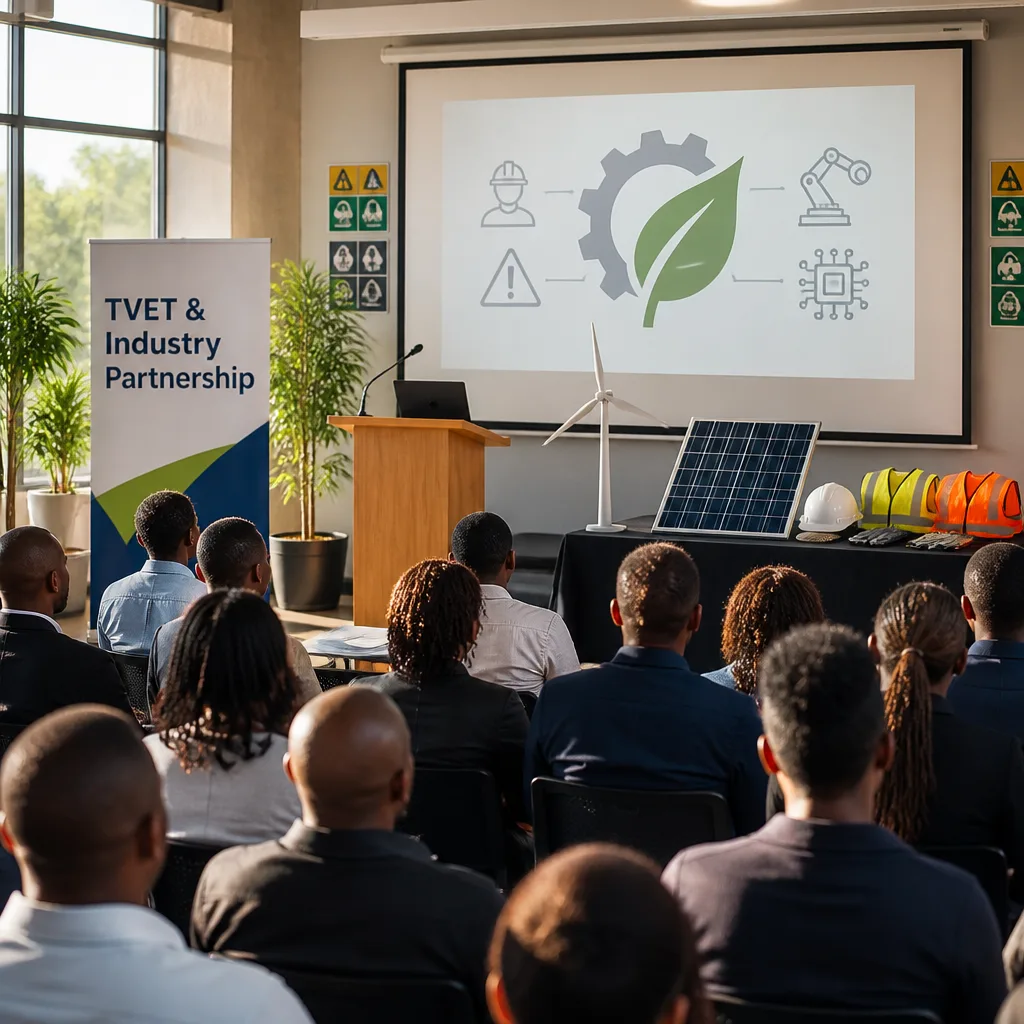
The seminar, hosted by the Bangladesh Institute of Management (BIM) at its Sobhanbag campus, convened government officials, corporate representatives, TVET administrators, academics and development partners to consider how TVET graduates can be better aligned with emerging workplace demands.
Mohammad Navid Safiullah, Additional Secretary of the Ministry of Environment, Forest and Climate Change, said that the move towards a green and more technology-led industrial base requires workers with specific environmental and safety skills. He linked sustainable industrial growth directly to improved workforce preparation.
“Bangladesh’s transition towards a green economy requires closer collaboration among government, industries and educational institutions,”
The seminar, titled “Green Jobs and Industrial Safety Management: The Role of BIM in Engaging Employers and TVET”, set out to identify practical ways for employers to engage with TVET providers and for curricula to respond to changing industry requirements.
Skills mismatch remains a key barrier
Speakers at the event warned that despite expansion in technical education, manufacturers and other employers still report shortages of workers with the skills needed by modern industry. The gap stems largely from a mismatch between what TVET programmes currently offer and the competencies required on the shop floor and in emerging green sectors.
- Curriculum modernisation was highlighted as necessary to reflect sustainability, industrial safety and new technologies.
- Workplace-based learning such as apprenticeships and internships was presented as essential for students to acquire practical, employer-relevant skills.
- Increased industry participation in shaping training and assessment frameworks was recommended to reduce the disconnect between training outcomes and employer needs.
Participants emphasised that Bangladesh’s sizeable cohort of young people entering the labour market each year makes the effectiveness of TVET especially important: the pace of industrial change demands that training remain current and closely linked to employers.
Green industries creating demand for new competencies
The conversation at the BIM seminar framed green jobs not simply as an environmental imperative but as a source of new employment opportunities that require targeted skillsets: environmental awareness, sustainability practices and robust industrial safety knowledge.
Delegates discussed how strategic employer engagement could help design syllabuses, deliver upskilling at scale and provide work placements that expose learners to contemporary equipment and safety regimes.
| Challenge | Proposed response |
|---|---|
| Skills mismatch between TVET graduates and industry needs | Modernise curricula; involve employers in course design |
| Insufficient practical workplace exposure | Expand apprenticeships and internships with firms |
| Rising demand for green and safety competencies | Integrate sustainability and industrial safety into TVET |
Speakers called for sustained coordination between ministries, training institutions and employers to ensure that investments in TVET translate into employable skills and safer, greener workplaces.
While the seminar focused on Bangladesh, its themes are familiar to education and labour planners elsewhere: the need to align training with fast-changing industrial requirements, to embed sustainability into skills frameworks, and to deepen employer involvement so that TVET programmes deliver measurable value to both learners and the economy.