The Western Cape’s initial public rollout of the long‑acting HIV prevention injection lenacapavir has reached more than two thousand people, with nearly nine out of ten recipients reported as first‑time users of pre‑exposure prophylaxis (PrEP). The Department of Health and Wellness said the intensive campaign, conducted across the Cape Metro, aimed to expand options for people at risk of HIV who struggle with daily oral prevention.
Rapid uptake in targeted clinics
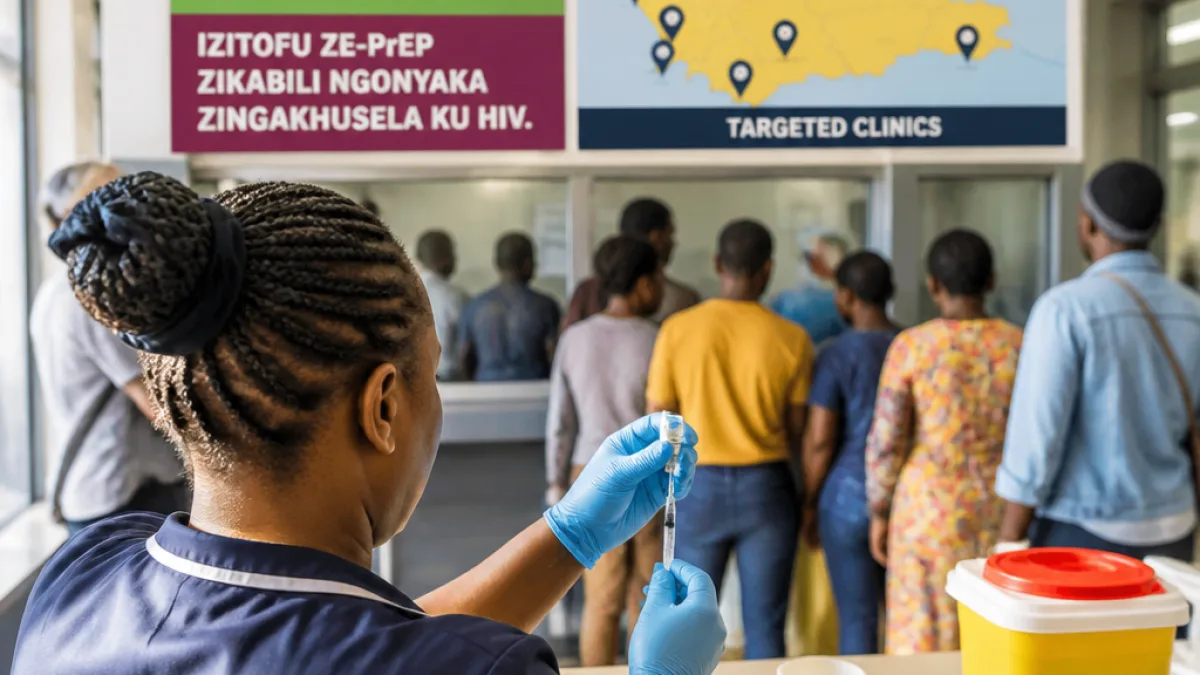
According to provincial figures, healthcare workers administered 2 339 lenacapavir injections at 22 public health facilities between 8 June and 24 July 2026. Of those, 2 049 people — or 87.6% — had not previously used any form of PrEP.
The campaign targeted facilities serving communities with the highest HIV burden within the Metro. The Department said the injectable, given twice a year, presents a simpler alternative to the daily oral PrEP pill that has been available in South Africa since 2016.
Why people are choosing the injection
Healthcare workers reported growing patient interest in the bi‑annual injection, particularly among people who found a daily tablet regimen difficult to maintain. The rollout also recorded notable engagement among women: 162 pregnant women began lenacapavir during the reported period, and an additional seven antenatal patients switched from oral to injectable PrEP.
“One of our greatest opportunities to reduce new HIV infections is to ensure that more people who are at risk choose an effective prevention option,”
Provincial Minister of Health and Wellness Mireille Wenger is reported as describing the early results as encouraging, saying the programme is expanding access to prevention for those who may have been unable or unwilling to use oral PrEP.
Numbers at a glance
| Metric | Number |
|---|---|
| Lenacapavir injections administered | 2 339 |
| Recipients new to PrEP | 2 049 (87.6%) |
| Health facilities involved | 22 |
| Pregnant women starting lenacapavir | 162 |
| Antenatal patients switching from oral PrEP | 7 |
Implications for prevention and service delivery
Public‑sector introduction of a long‑acting injectable changes the logistics of prevention delivery. Clinics must manage periodic injections rather than ongoing monthly pill supplies, and adherence support shifts from daily reminders to systems that ensure people return for six‑monthly appointments.
For many patients — including young women, sex workers and others who face stigma or unstable routines — the injection could remove a major adherence barrier. The Western Cape figures suggest the option is reaching people who were not engaged with oral PrEP services.
- Convenience: injection every six months rather than daily pills.
- Access: rollouts in high‑burden clinics increased reach into underserved populations.
- Pregnancy: several antenatal patients have begun or switched to the injectable option.
Questions that remain
While the uptake figures are promising, questions remain about long‑term retention, follow‑up for side‑effects and integration with other prevention and sexual and reproductive health services. The province will need to report on whether first doses are followed by on‑schedule second doses and how the programme performs over a full year.
The rollout also highlights the need for clear counselling and messaging so recipients understand the protection timeline, potential side‑effects, and the procedure if a scheduled injection is missed.
As the province scales access, health facilities and community partners will be central to maintaining momentum and ensuring the injectable option complements, rather than replaces, existing prevention choices for people at risk of HIV.
— Yusuf Salie, Western Cape correspondent