Hugo Broos has officially resigned as head coach of Bafana Bafana and announced his retirement from football, bringing to a close a coaching career that spanned more than four decades.
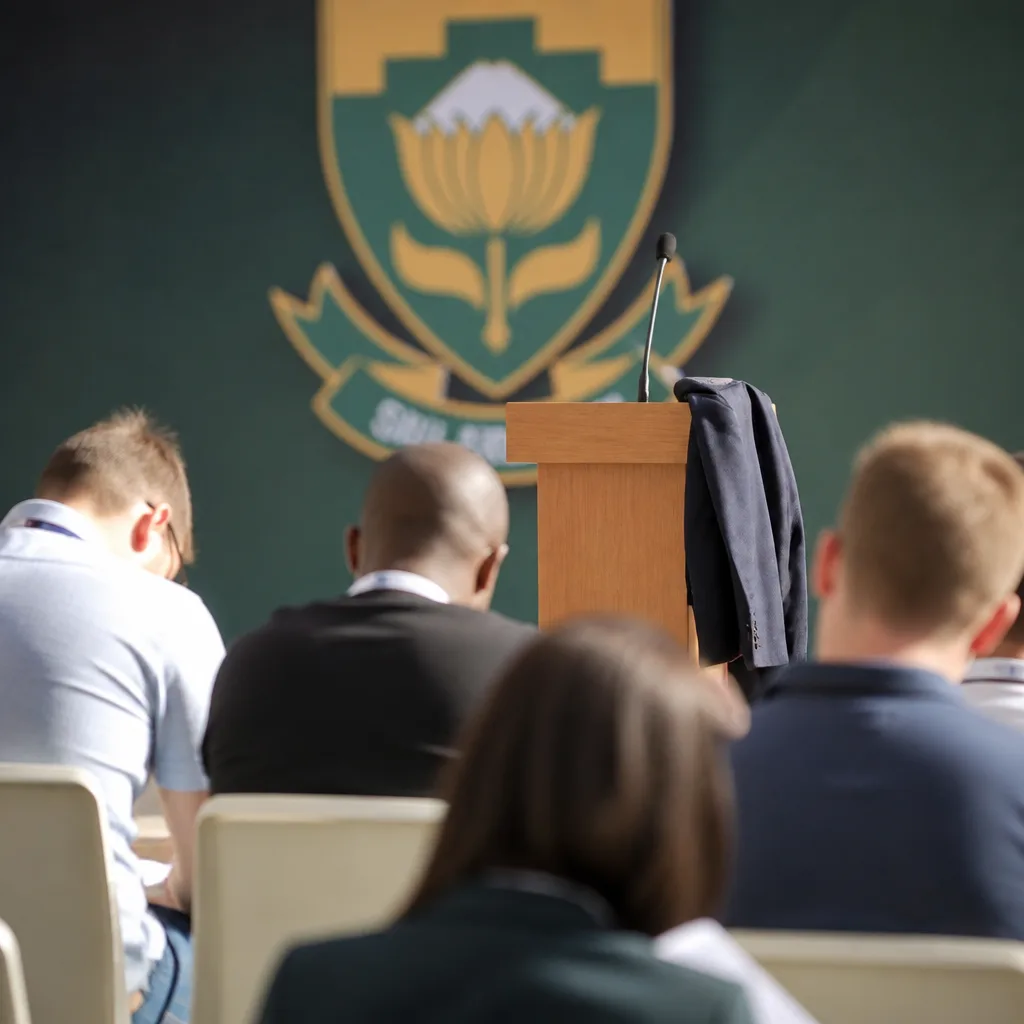
The 74-year-old Belgian confirmed his decision at a tearful news conference at SAFA House on Friday, saying extended periods away from his family and “lonely moments in South Africa” influenced his choice not to extend his contract with the national team.
“My long absence from my family and lonely moments in South Africa have led me to make this difficult decision,” Broos said. “Qualifying for the World Cup 40 years after my participation with the Belgium national team as a player in 1986 brought everything full circle and that’s why I will not be extending my contract with Bafana Bafana.”
Record and legacy
Broos took charge of the national side in 2021 and leaves with a record that revived belief in South African football. Under his stewardship, Bafana returned to consecutive Africa Cup of Nations tournaments and ended a 16-year wait for a FIFA World Cup appearance. At the 2026 World Cup in North America, South Africa reached the Round of 32 before being eliminated by Canada — the country’s best World Cup campaign since 2010.
Beyond results, the coach is credited with rebuilding the team around a younger generation and restoring a sharper competitive identity.
| Item | Detail |
|---|---|
| Tenure | 2021–2026 |
| Major achievements | Consecutive AFCON qualifications; 2026 FIFA World Cup qualification; reached World Cup Round of 32 |
| Announcement | Press conference at SAFA House (Friday) |
Reaction and next steps
SAFA president Danny Jordaan paid tribute to Broos’s contribution, thanking the coach for the impact he had on South African football and drawing a parallel with the Belgian’s previous success in Cameroon.
“Hugo Broos, thank you very much. You delivered for Cameroon and now you’ve delivered for us,” Jordaan said.
Jordaan acknowledged that Broos’s track record in Cameroon had influenced SAFA’s decision to appoint him and said the coach had fulfilled expectations with the national team.
SAFA now faces the task of identifying a successor who can build on the squad’s renewed competitiveness and manage the transition of a younger core into the next World Cup cycle. The federation must also consider the timing of any appointment to ensure continuity while respecting Broos’s reasons for stepping down.
- Immediate issues: appointing an interim or permanent coach and settling the backroom structure.
- Medium-term focus: nurturing the younger players Broos brought through and preparing for continental and global qualifiers.
- Public expectations: sustaining momentum among supporters who saw national pride restored during Broos’s tenure.
What Broos leaves behind
Broos departs with clear markers of success: he restored confidence after years of underachievement, secured World Cup qualification, and oversaw the nation’s strongest recent showing on football’s biggest stage. His emotional farewell underscored the personal toll of international coaching — extended separation from family and the pressures of life abroad — factors he cited as decisive.
For Bafana Bafana, the immediate priority is stability. Whoever replaces Broos will inherit a squad that has been recast and a nation that expects progress. The coming weeks will be crucial as SAFA charts a course for the post-Broos era and seeks to preserve the momentum his tenure created.
While Broos’s departure marks the end of an era, it also opens a new chapter for South African football — one that will test the structures and depth of a national setup that has, under Broos, begun to believe it can compete on the world stage once again.