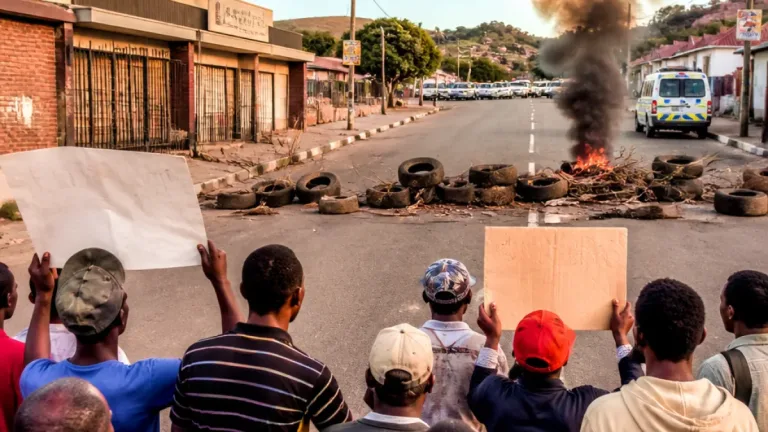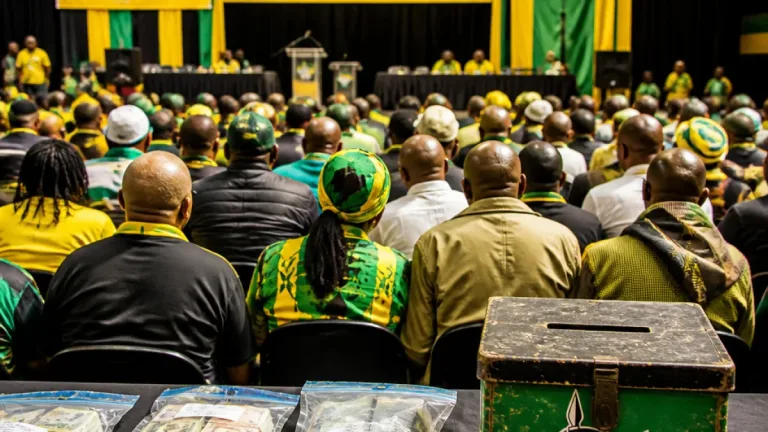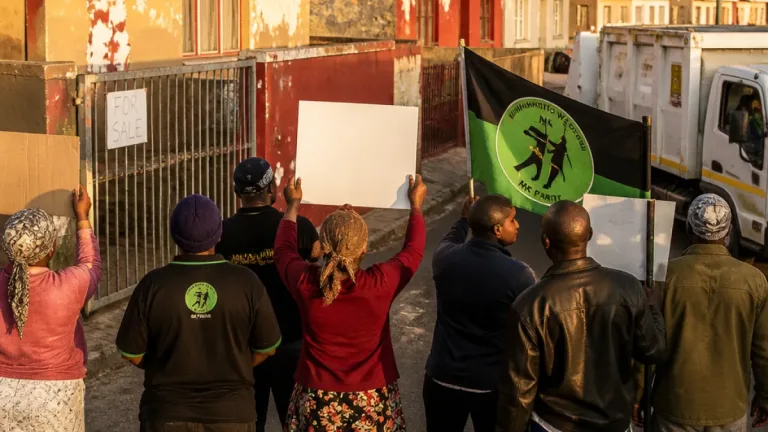
Residents of Ga‑Chokoe, a village outside Mokopane in Limpopo, boycotted the Independent Electoral Commission’s (IEC) final voter registration weekend, saying they were not consulted about recent ward demarcation changes and remain frustrated by poor municipal service delivery.
Community protest over ward boundary changes and services
According to reports, community members resolved during local meetings to abstain from registering for the final weekend after they say their voting area was moved from Ward 3 to Ward 6 without meaningful consultation. Residents also listed lack of basic services as a motivating factor for the boycott.
Representatives of the Ga‑Chokoe Tribal Authority denied influencing or intimidating people to stay away from registration points. Sebolaishi Chokoe, a tribal authority representative, said the authority did not prevent anyone from registering:
“As the tribal authority of this village [in] Ga‑Chokoe Sterkwater, we did not intimidate anyone or to stop anyone to register. People just took their decision that’s all.”
IEC seeks engagement as power outages halt registration in Mopani
The IEC Electoral Officer in Limpopo, Nkaro Mateta, described the situation in Ga‑Chokoe as “quite worrying” and said IEC officials were trying to negotiate with the community and convince residents to use the final registration opportunity.
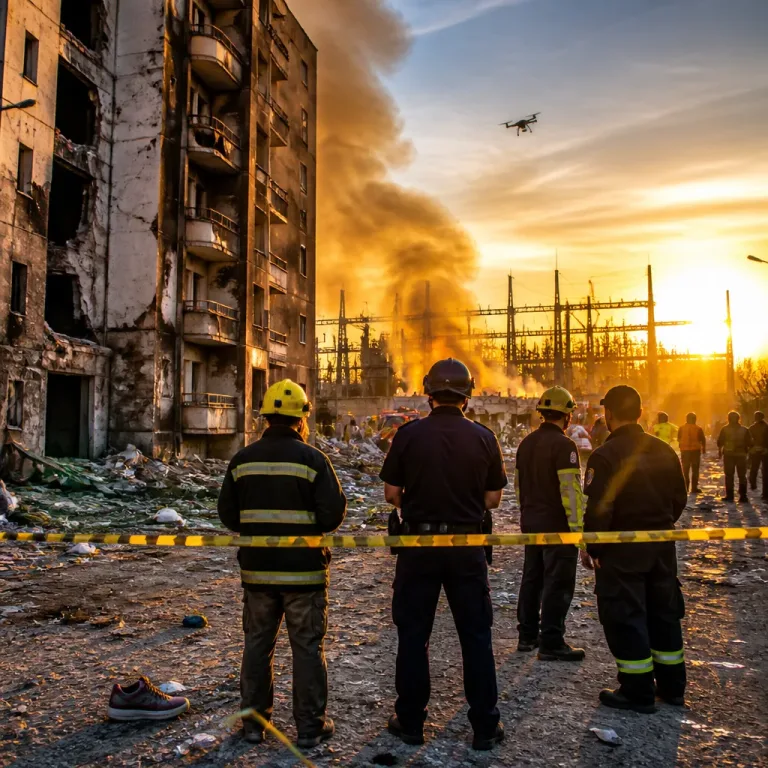
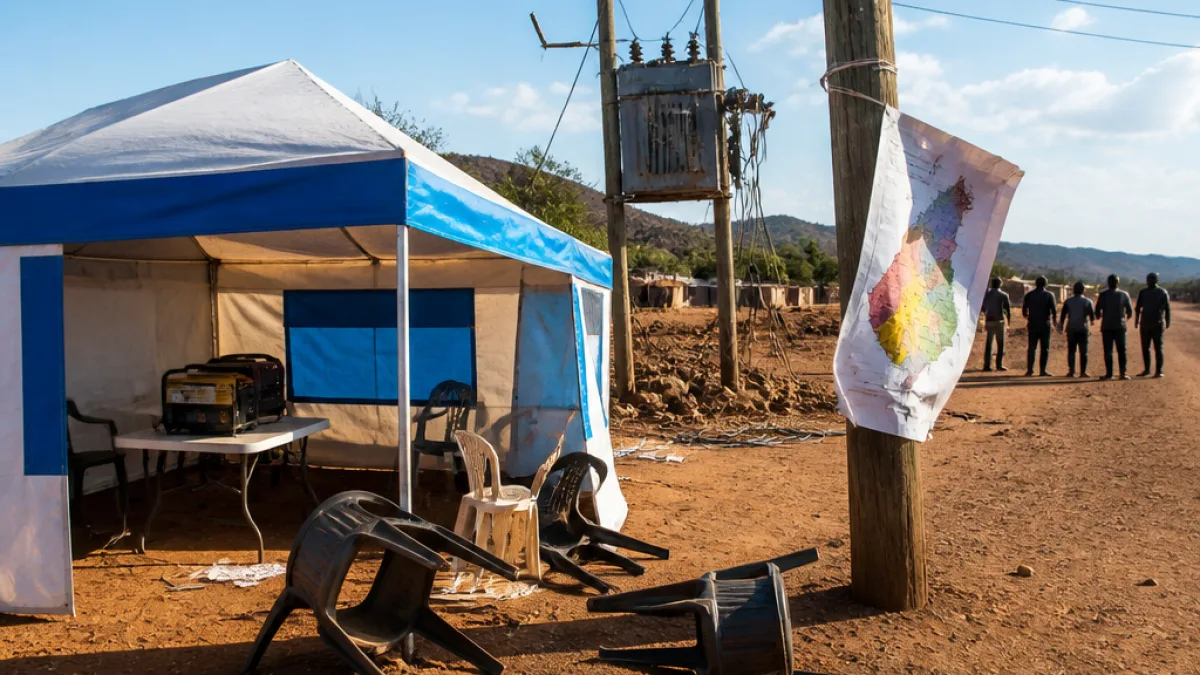
Mateta also reported that registration operations at five villages in the Mopani District were impaired after vandalism of Eskom infrastructure caused power cuts. The affected villages were listed as Lephepane, Khujwana, Moime, Tlhabine and Mandlakazi, where IEC teams were unable to assist eligible voters with registrations and system updates.
“We received a report that in Tzaneen there has been vandalism of Eskom infrastructure. It looks like there is a trend in Mopani because yesterday this matter affected Giyani. So, this matter has affected five villages… So, we are just hopeful that Eskom will be able to fix the challenge,” Mateta said.
Local impact and unanswered questions about repair funding
The combined effect of the boycott and power outages threatens to disenfranchise residents in a number of rural communities. Beyond immediate electoral consequences, the episode raises practical questions about the financing and speed of repairs to municipal and Eskom infrastructure—and who should be accountable when vandalism interrupts essential state services during a national civic process.
Documentation and records are central to this dispute: residents say their ward was shifted, but public notices, consultation minutes and municipal explanations were not made available to the community in a way they accept. The tribal authority says it did not coerce anyone; the IEC says it is engaging. Neither account yet resolves the core civic question: how will affected residents exercise their right to register and vote?
Where the disruption hit
| Area | Issue |
|---|---|
| Ga‑Chokoe (Sterkwater) | Community boycott over demarcation and services |
| Lephepane | Power cuts due to vandalised Eskom infrastructure |
| Khujwana | Power cuts |
| Moime | Power cuts |
| Tlhabine | Power cuts |
| Mandlakazi | Power cuts |
Practical information for voters
- If residents miss the final weekend, check the IEC website or local IEC offices for alternative registration arrangements.
- Where vandalism has interrupted registration, residents should record the incident with local SAPS and keep proof of any formal complaints to present to the IEC when registering.
- Engage with ward councillors and the municipality in writing to demand published records of demarcation consultation and minutes.
The situation in Ga‑Chokoe underlines how electoral administration, municipal service delivery and damaged infrastructure intersect in rural Limpopo. Authorities from the IEC, the municipality responsible for the affected wards, and Eskom will need to provide a clear timetable and funding plan for repairs so that residents are not excluded from registration through lack of power or lack of information.
For now, IEC officials say they are attempting to persuade residents to register, and Eskom has been asked to restore power to the Mopani villages. Until those promises are fulfilled and documentation of the demarcation process is produced, the community’s abstention is likely to continue to cast doubt on the representativeness of the affected wards at the next election.