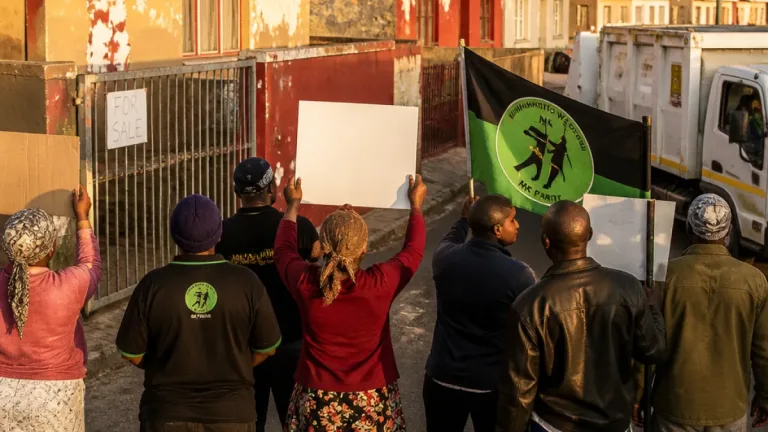
Western Cape Premier Alan Winde has cautioned that what he described as “not in my backyard” opposition is a growing obstacle to the delivery of essential infrastructure across the province, slowing investment in areas as varied as homeless shelters, high‑density housing and data centres.
Opposition blocking projects, says premier
"Not in my backyard is one of the greatest threats to infrastructure development,"
Winde raised the concern during media remarks reported on Friday, arguing that public resistance to locating certain facilities close to residential areas is contributing to delays in projects intended to address long‑standing social and economic problems in the Western Cape.
He singled out three categories of development that have attracted community pushback: homeless shelters, high‑density housing and data centres. Each, he said, faces hurdles when communities or homeowners object to proposed sites, a phenomenon commonly summarised as NIMBYism.
Why this matters for the province
Local officials and business leaders have for years warned that delays in building social infrastructure and digital facilities undermine efforts to reduce homelessness, expand affordable housing and attract technology investment. Data centres in particular are a growing part of the digital economy, providing capacity for cloud services, local hosting and business continuity. When their location is contested, it can deter investors seeking certainty.
High‑density housing and shelters are central to managing urban growth and supporting vulnerable populations. Opposition to these projects can push proposals into more expensive or less suitable locations, or halt them altogether, prolonging the strain on municipal services and non‑governmental support networks.
Practical consequences and local impact
For residents, stalled projects mean longer waits for housing options, fewer facilities to assist people experiencing homelessness and slower growth in tech jobs and services that depend on reliable digital infrastructure. For municipalities, prolonged planning and litigation add costs and divert staff time from delivering other services.
- Social services: Delays in shelters keep pressure on NGOs and emergency services.
- Housing: Objections to high‑density projects limit options for affordable urban living.
- Economy: Resistance to data centres can reduce competitiveness for tech investment.
Where the debate is likely to go next
The premier’s public remarks are likely to renew calls for clearer engagement between government, developers and communities. Municipalities may need to strengthen public consultation, provide better information on how such facilities operate, and demonstrate how benefits will be shared locally.
At the same time, community concerns — about traffic, environmental impact, property values or safety — are persistent and often reflect genuine anxieties. Resolving these disputes typically requires robust planning, transparent environmental and social impact assessments, and negotiated mitigation measures.
| Project type | Main public concern | Potential impact of delay |
|---|---|---|
| Homeless shelters | Safety, nuisance, service concentration | Greater street homelessness; pressure on emergency services |
| High‑density housing | Parking, congestion, change in neighbourhood character | Fewer affordable units; urban sprawl |
| Data centres | Noise, perceived risk to property, energy use | Lost investment; slower digital economy growth |
Balancing local concerns with provincial priorities
Winde’s intervention frames the issue as a provincial challenge: how to support necessary infrastructure while respecting community input. The comment places pressure on local government to find ways of brokering solutions that reduce conflict and fast‑track projects deemed critical to public interest.
For residents seeking more information or wishing to engage, the immediate practical step is to follow municipal processes for public participation when new developments are announced. Councillors, ward committees and city planning departments are the formal channels for lodging objections, proposing conditions or negotiating mitigations.
As debates over the siting of services and facilities continue, the balance between local neighbourhood interests and broader provincial needs will remain a central tension for the Western Cape’s planning agenda.
Yusuf Salie, Western Cape correspondent.