Policing operations in Limpopo resulted in the arrest of more than 100 undocumented foreign nationals amid intensified enforcement during and after the anti-foreigner demonstrations on 30 June, the South African Police Service (SAPS) reported.
Police credit coordination and intelligence
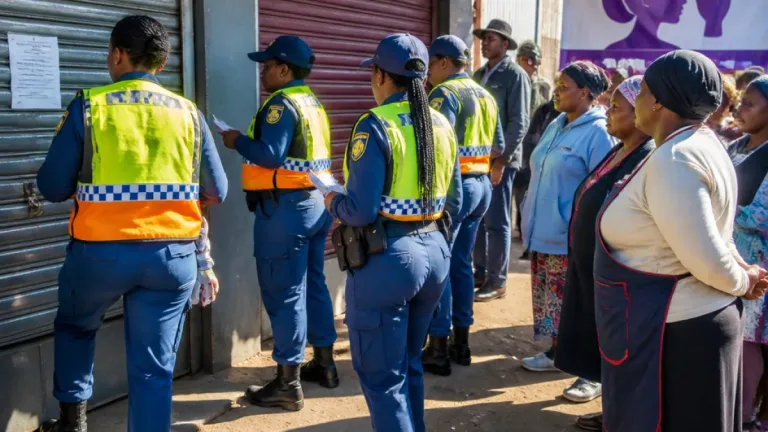
The arrests formed part of compliance and enforcement operations conducted by SAPS together with several stakeholders as tensions linked to nationwide anti-immigration protests unfolded. Limpopo acting provincial commissioner Major General JP Scheepers praised the coordinated response, saying it helped avert widespread unrest across the province.
“Limpopo has once again demonstrated that it is a province governed by the rule of law... the coordinated response by law enforcement and our partners ensured that these incidents were swiftly contained,” Scheepers said.
Provincial police leadership also commended SAPS members for what it described as professionalism and rapid operational responses during the demonstrations. Police emphasised that interventions were carried out within the framework of the Constitution.
Who joined the operations?
SAPS said the operations included input from a range of government and community actors. The statement credited:
- other law enforcement agencies;
- government departments;
- municipalities;
- the Border Management Authority; and
- community structures and other stakeholders.
According to police, intelligence-driven policing and coordinated deployments were central to preventing escalation in affected communities.
Questions that remain — resources, detention and next steps
While the police statement sets out the broad outline of the operation, several practical and fiscal questions remain unanswered and are of interest to residents and rights groups alike. Key among them:
- How many of those arrested will be formally charged with criminal offences versus processed under immigration regulations?
- What facilities are being used to detain undocumented migrants, and for how long will they be held before further action or transfer to immigration authorities?
- What were the financial and human resources deployed for the intensified operations, and how were these funded — from national allocations, provincial assets, or municipal assistance?
As the provincial leadership highlights coordinated action, taxpayers and civil society will reasonably expect clarity on costs, detention conditions and legal outcomes for those arrested.
Operational context and legal framework
Police described the arrests as part of broader efforts to enforce immigration and other laws, underscoring the obligation to operate within constitutional boundaries. The involvement of the Border Management Authority signals a cross-agency approach to migration enforcement, but the statement did not provide detail on whether any deportation orders or court appearances have followed.
| Aspect | Information provided |
|---|---|
| Number arrested | Over 100 |
| Lead police official | Acting Provincial Commissioner Major General JP Scheepers |
| Partners named | Other law enforcement, government departments, municipalities, Border Management Authority, community structures |
| Incident date | Operations related to demonstrations on 30 June |
Community impact and stability
SAPS said the province remained largely stable despite attempts by some individuals to exploit the demonstrations through criminal activity and public disorder. The public assurance of stability will need to be matched by transparent reporting on post-arrest procedures and support for communities affected by both the demonstrations and the enforcement operations.
For residents concerned about safety and social cohesion, the immediate questions are practical: how will the province help repair community relations that may have been strained during the protests, and what support will be offered to those displaced or otherwise affected?
What to watch for next
Further updates to watch for include:
- details on charges, court appearances and immigration processes for those arrested;
- statements on detention conditions and timelines from SAPS and the Border Management Authority; and
- any provincial or municipal briefings on resources used and funds expended in the operations.
The SAPS statement frames the provincial response as successful in preventing wider unrest. Documentation, transparent accounting of resources and clear legal follow-through will determine whether that claim stands up to scrutiny in the weeks ahead.
Rhulani Mabasa
Limpopo correspondent