Gauteng — The Gauteng Department of Social Development has acknowledged it is unable to pay social welfare organisations on schedule, saying Provincial Treasury disburses only partial weekly amounts that make simultaneous payments to service providers “impossible”. The admission comes as several care centres across the province reported staff went unpaid and beneficiaries missed meals because quarterly subsidies were delayed.
Department says staggered payments unavoidable
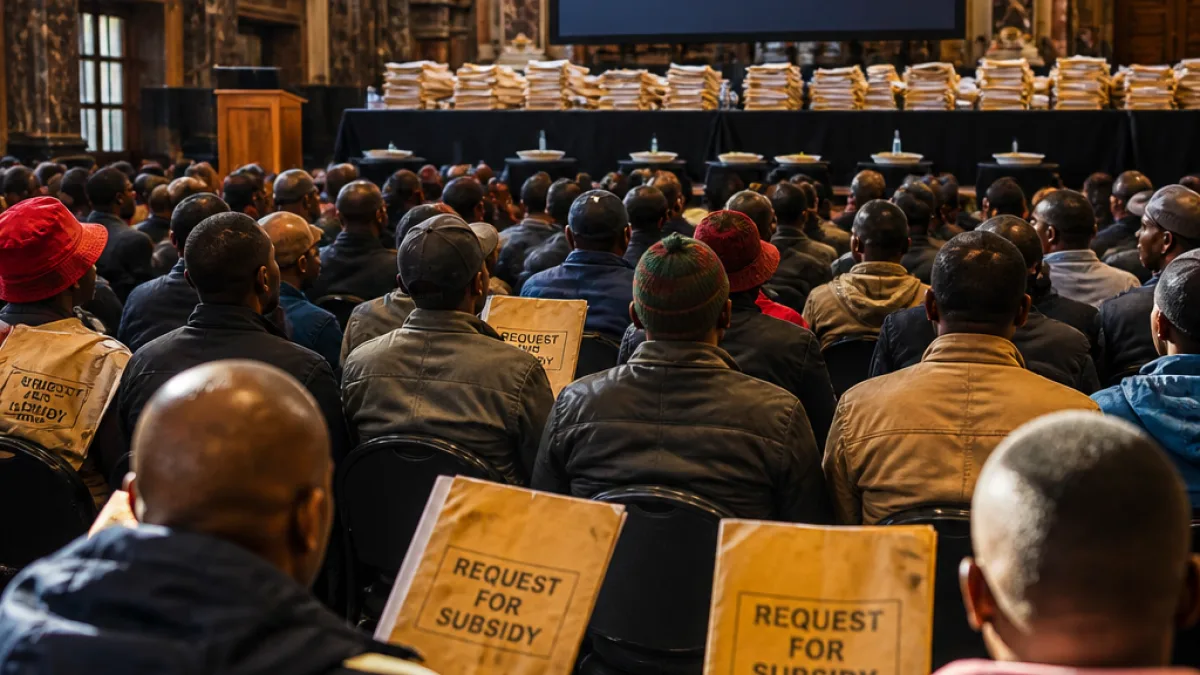
At a meeting with representatives of hundreds of non-profit organisations at Johannesburg City Hall, the department’s director for NPO funding, Lerato Bob, told attendees that the department had paid less than half of its budget for the second quarter. The department said the staggered payment pattern is caused by how Provincial Treasury releases funds.
"It is impossible to pay all organisations at the same time," said Lerato Bob.
Gauteng Social Development MEC Nomantu Nkomo-Ralehoko addressed representatives during the gathering, which highlighted the operational strain the delays are placing on organisations that run services for older people, children and other vulnerable groups.
Frontline services and staff salaries hit
Several organisations told reporters they had to scramble to cover basic needs after receiving late or no payments for the first and second quarters of the financial year. Tsepong Old Age Centre in Vereeniging, Sedibeng region, which provides breakfast, lunch and daily activities for about 50 older people, said its first-quarter subsidy was late and the second-quarter payment — which began on 1 July — had not arrived. Centre manager Fedile Kubheka reported there was no money for staff salaries or for food purchases.
At Child Welfare’s Gelukdal/Tsakane branch, which handles neglected and abandoned children and oversees foster-care support, the centre received its first-quarter subsidy only on 21 May. Centre manager Melinda Cupido said staff worked without pay in April and had not yet been paid for the second quarter.
Contract terms complicate responses
The department and organisations face contractual constraints that limit options. Contracts reportedly prohibit funded NGOs from taking out loans, yet the department expects organisations to refund any unspent funds if they cannot spend allocations in a quarter because of late disbursements.
That combination places NGOs in a Catch-22: they cannot borrow to cover short-term payroll needs, and risk having to return funds they were unable to spend because they arrived late. Several organisations said this has forced them to reduce services and delay essential purchases.
- Example: Tsepong Old Age Centre — Sedibeng; provides meals and activities to ~50 older people; subsidy late for Q1 and unpaid for Q2.
- Example: Child Welfare Gelukdal/Tsakane — foster care and reunification services; Q1 subsidy paid on 21 May, Q2 still unpaid.
| Organisation | Region | Impact reported |
|---|---|---|
| Tsepong Old Age Centre | Sedibeng (Vereeniging) | Staff unpaid; insufficient funds for food and activities |
| Child Welfare (Gelukdal/Tsakane) | Unknown | Staff unpaid for April; Q2 subsidy outstanding |
What this means for beneficiaries
Delayed subsidies risk reducing the ability of community organisations to deliver daily services such as meals, supervision for foster placements, and psychosocial support. Older residents dependent on centre meals and children in foster-care programmes are particularly vulnerable when NGOs cannot meet payroll or buy supplies.
Organisations that rely on government funding for a large share of their operating budgets face difficult short-term choices: cut services, ask staff to work unpaid, or seek emergency support from private donors. Given the contract restrictions on borrowing and the department’s expectation of refunding unspent allocations, many groups have little fiscal flexibility.
Officials demanded answers
Representatives at the Johannesburg meeting pressed the department for a clear timetable of payments and for an interim mechanism to prevent service disruptions. The department acknowledged the payment schedule but said it is constrained by Treasury disbursements. MEC Nomantu Nkomo-Ralehoko has been asked to provide a follow-up plan outlining how the department will prevent further interruptions and address organisations' cashflow problems.
For now, NGOs and beneficiaries face continued uncertainty. Organisations dependent on quarterly subsidies should document missed payments and the operational impacts, and seek legal or sector-advice where contracts and Treasury processes create untenable obligations.
Gauteng Department of Social Development and Provincial Treasury were contacted for further comment but had not provided detailed timelines for outstanding payments by the time of publication.