DA claims lead in Johannesburg as mayoral contest heats up
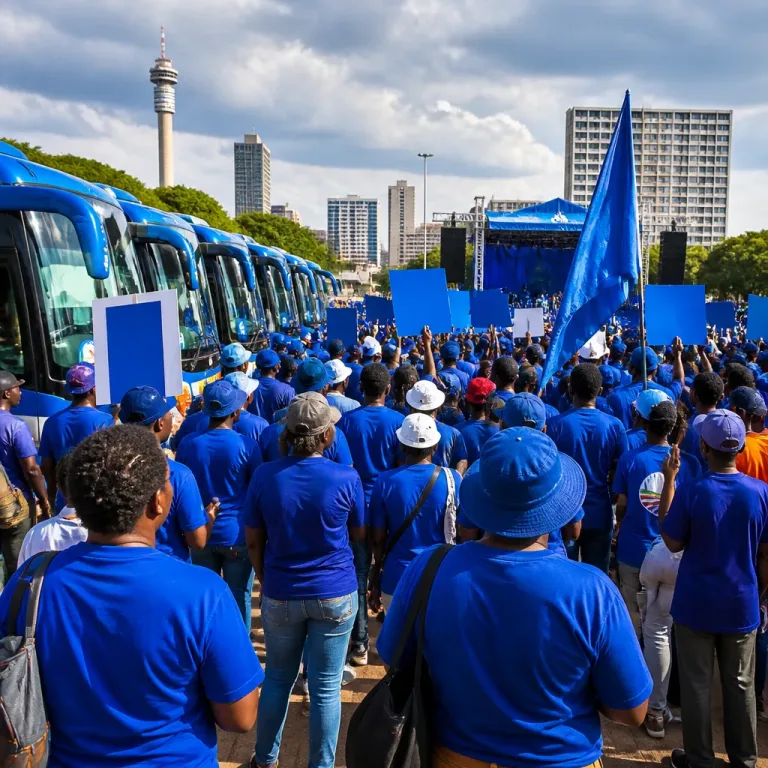
Helen Zille, the Democratic Alliance’s mayoral candidate for the City of Johannesburg and former chairperson of the party’s Federal Council, said on Saturday that the DA’s internal polls show the party at 40% in the metro compared with the ANC’s 27%. The figures were disclosed during a city tour with DA spokespersons, including former Johannesburg mayoral candidate Geordin Hill‑Lewis, where party representatives highlighted collapsing infrastructure across parts of the city.
Zille framed the polling numbers as evidence that Johannesburg voters are ready to back the DA at the municipal level. The claim comes as national and local political campaigns move into a decisive phase ahead of local government elections, and as public debate intensifies about service delivery, roads, water and electricity in South Africa’s largest metro.
- Poll numbers cited: DA 40%, ANC 27% in Johannesburg, according to Zille’s report of internal polling.
- Campaign focus: The DA emphasised crumbling infrastructure during the tour.
- Context: The metro’s governance and coalition dynamics could be affected if those numbers reflect broader voter sentiment.
Party leaders often publish internal polling to shape media narratives and influence undecided voters; however, internal polls are not independently verifiable unless released publicly with methodology. Zille did not provide further detail about the sample size, timing or methodology of the polls when the figures were reported.
"Our polling shows the DA on 40% in Johannesburg compared to the ANC’s 27%," Zille said, according to the report.
Johannesburg remains a fiercely contested metro where post‑election coalition arrangements have previously determined who controls the mayoral office and the council. Any shift in support between the two leading parties will have ramifications for municipal policy, appointments and service delivery priorities.
What the numbers mean for residents
Should the DA’s internal numbers be reflected in public polling closer to the vote, residents could see intensifying efforts by all major parties to win wards and gain leverage in council coalitions. For Johannesburgers, the practical outcomes to watch for include:
- Changes in how the metro prioritises spending on roads, water infrastructure and electricity continuity.
- Potential shifts in the composition of the mayoral committee and senior municipal appointments.
- Heightened campaigning in swing wards, which could lead to more visible promises on local service delivery.
The DA’s tour of Johannesburg’s infrastructure — part of the context in which Zille released the figures — placed service delivery failures at the centre of the campaign argument. Geordin Hill‑Lewis accompanied Zille on parts of the tour to highlight specific areas of concern, according to the same report.
| Party | Internal poll figure (reported) |
|---|---|
| Democratic Alliance (DA) | 40% |
| African National Congress (ANC) | 27% |
Election authorities continue their preparatory work for the polls, and independent public opinion research will offer comparative measures of voter intention in the coming weeks. Until such independent data are published, the DA’s internal polling remains a party claim intended to influence the public narrative and campaign momentum.
Residents seeking clarity on how these figures could translate into council power are likely to follow both independent polls and ward‑level campaigning closely. For now, the DA has set a public expectation that it believes it can lead Johannesburg, while the ANC will have to respond to the claim as campaigning escalates.