A blistering heatwave sweeping the western United States has intensified the risk of hazardous wildfire conditions, particularly across Oregon and Washington, where low humidity and gusty winds are fuelling concern among emergency authorities.
Temperatures and conditions forecast to remain dangerous
The National Weather Service has forecast extremely high temperatures through early next week. In the south-western states, daytime highs could rise to the equivalent of roughly 43–49°C (110–120°F), while the Pacific north-west is expected to see temperatures climb into the 30s°C over the coming days.
Authorities emphasise that the threat is not only the heat itself but the combined effect of persistent drought, low relative humidity and strong winds – a combination that makes landscapes highly receptive to rapid fire spread.
Scale of destruction so far
Wildfire seasons across the western US have already been severe this year. In Oregon, roughly 730,000 hectares (about 1.8 million acres) had been reported as burned by July. Washington has recorded more than 1,000 fires that collectively affected approximately 172,000 hectares (425,000 acres), a level of destruction not seen since 2021, according to the state's department of natural resources.
State authorities in Washington are managing a number of large blazes: officials are contending with 12 major fires that together have consumed more than 80,900 hectares (200,000 acres).
Weather-driven stress on firefighting resources
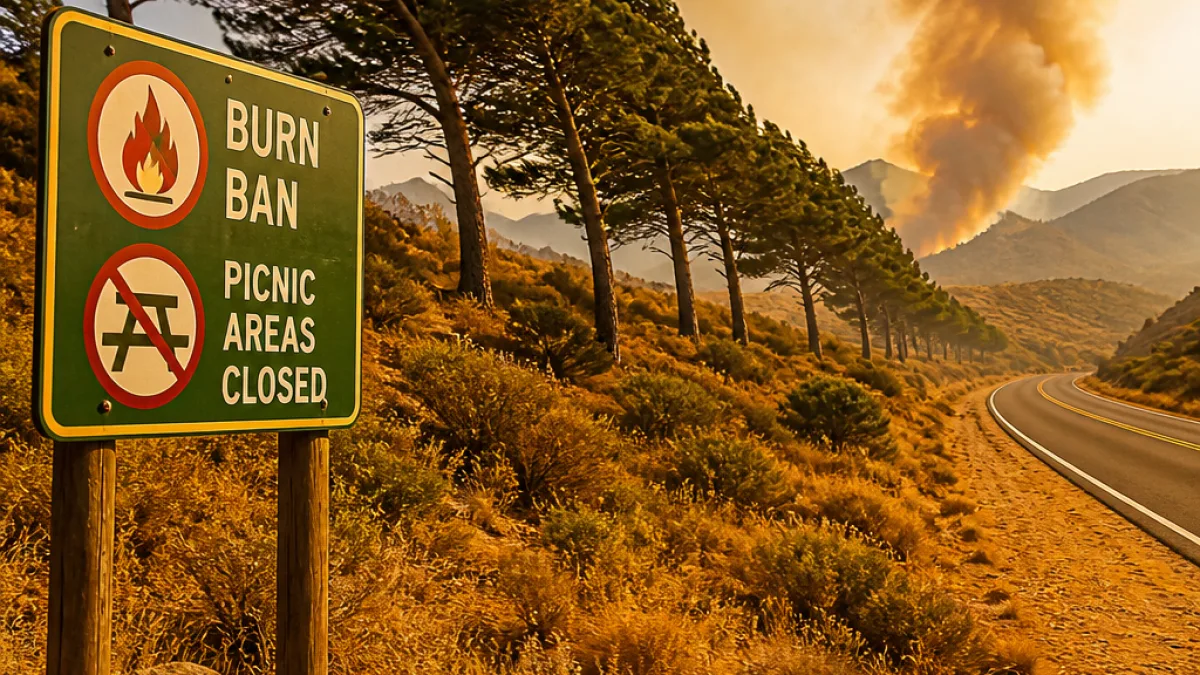
Officials warn that stretched firefighting resources and continued adverse weather increase the chance that any new ignition could quickly turn into a destructive fire. Washington governor Bob Ferguson has moved to reduce one avoidable cause of new fires by temporarily banning outdoor burning through the end of September.
“Our firefighters are already stretched thin across the state, and with more heat and wind expected this weekend and for the rest of the summer, any new spark on our tinder dry landscapes can lead to another devastating wildfire,” said Dave Upthegrove, the state’s commissioner of public lands.
Why the northwest is vulnerable this season
Washington's heightened exposure this season is linked to a poor snowpack and limited water reserves. The state relies on winter snowmelt to replenish rivers and reservoirs; this year much of the precipitation fell as rain rather than snow, reducing snowpack and limiting summer flows that normally moderate fire risk.
Elsewhere in the west, prolonged dry spells, higher temperatures and episodic high winds are creating conditions that allow fires to ignite and spread rapidly across large landscapes.
What communities and travellers should bear in mind
Officials in affected states have been issuing warnings and restrictions aimed at preventing new fires and protecting residents. Key practical points include:
- Comply with local burning bans and restrictions, including temporary prohibitions on outdoor burning.
- Avoid activities that can cause sparks in dry, windy conditions (e.g. welding, using grinders or chainsaws without precautions).
- Monitor official weather and emergency updates from the National Weather Service and state agencies for evacuation notices and air-quality advisories.
- Be prepared for rapidly changing conditions if you live in or travel to affected areas: have an evacuation plan and emergency kit ready.
Data snapshot
| Metric | Reported figure |
|---|---|
| Oregon area burned (to July) | ~730,000 hectares (1.8 million acres) |
| Washington area burned (to July) | ~172,000 hectares (425,000 acres) |
| Washington large fires being contained | 12 fires totalling >200,000 acres |
While the immediate focus is on US states, the developing situation is part of a broader pattern of more intense fire seasons observed globally as climate variability increases. Emergency services internationally are monitoring how such events strain personnel and resources during peak periods.
For residents and travellers in the western US, the message from officials is unequivocal: the combination of extreme heat, dry fuels and strong winds demands heightened caution. Local authorities remain the primary source for restrictions, evacuation orders and official safety guidance.
— Karabo Motshabi, North West correspondent