Fast opening, single goal decides season curtain-raiser at Seshego
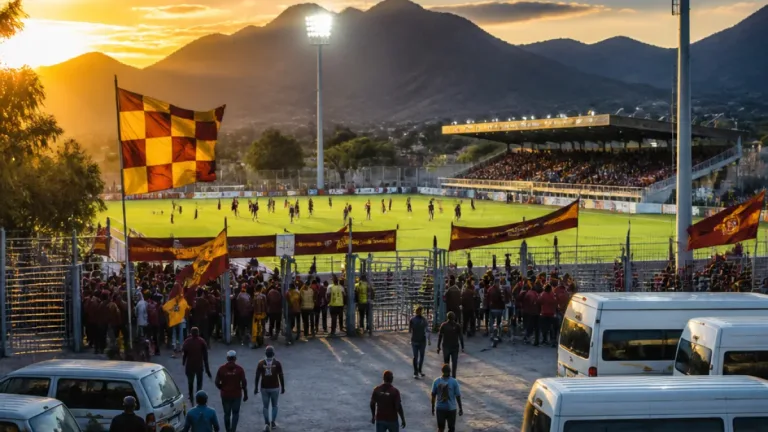
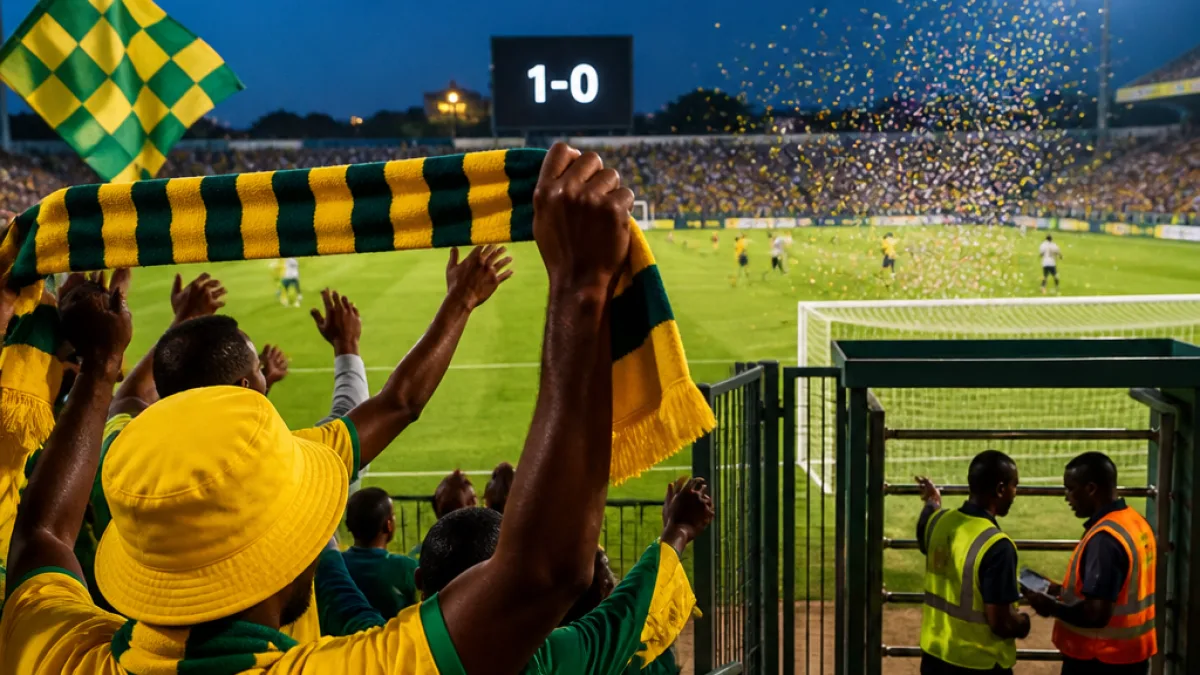
Sekhukhune United edged Durban City 1-0 in the Betway Premiership season opener played at Seshego Stadium on Saturday evening, according to match reports. The only goal arrived from the home side’s forward Bright Ndlovu, whose low angled finish proved decisive in a match that delivered intensity but few clear-cut chances.
The first 25 minutes were described as end-to-end and fast-paced, with the home side enjoying an early sight of goal when Tshepo Mokoane curled an 18-yard effort over the target. The move that produced the winner was a crossfield passage involving Mokoane and Ndlovu, the latter firing a low shot into the net from the left channel.
- Final score: Sekhukhune United 1 – Durban City 0
- Goal: Bright Ndlovu (home side)
- Venue: Seshego Stadium, Limpopo
Durban City responded after the restart and created chances, highlighted by Jean Lwamba whose shot from the left side of the box was saved by Sekhukhune goalkeeper Melusi Buthelezi. A possible penalty moment occurred when Samkelo Maseko went down following a challenge from Daniel Cardoso inside the box; reports indicate the referee did not award a spot-kick.
Into the second half the home team stayed alert, with another long-range attempt from Mokoane turned around the near post by substitute or covering defender Frederick Asare. Durban City looked most likely to level in the 50th minute when a counter-attack ended with Lwamba’s cross finding Maseko; his shot was saved and the rebound fell to Luphumlo Sifumba who shot over the crossbar. Later, in the 84th minute, Seth Green burst down the right and crossed to the back post where Tashreeq Morris could not direct his header on target. The closing stages remained scoreless.
Match reporting noted a strong defensive performance from the home side and several saved opportunities for Durban City, leaving the visitors frustrated as they failed to break through.
Local consequences: crowds, costs and accountability
For Seshego residents the significance of a Betway Premiership fixture goes beyond the 90 minutes. Top-tier matches can bring local spend on vendors, transport and informal trade, while also placing demands on stadium maintenance, security and municipal services. Match coverage supplied the on-field details but did not include financial or attendance figures for the event.
That absence raises practical questions for the municipality and stadium operators: How much ticket revenue did Seshego Stadium generate? What portion of event-day income accrues to local vendors and contractors? What were the direct costs to the host — policing, stewards, first aid and ground operations — and who bears them? These are material public-interest questions for a town that hosts major fixtures but has limited public documentation on event finances.
| Match detail | Information reported |
|---|---|
| Score | 1-0 to Sekhukhune United |
| Goalscorer | Bright Ndlovu |
| Key saves | Melusi Buthelezi (Sekhukhune) kept Dunban City at bay |
| Venue | Seshego Stadium |
Seshego residents who invested time and money to attend or trade on matchday are entitled to transparency on how hosting rights translate into local benefit. The match report describes competitive football, but without attendance and financial breakdowns it is impossible to judge whether staging a high-profile fixture delivered net gains for the community.
For local government, questions of maintenance and scheduling are equally pressing. Seshego Stadium must meet league standards for future fixtures: who funds upgrades when required, and are contracts for service providers awarded locally where possible? Repeat hosting of national league matches offers economic opportunity, but only if the revenue and contracts are managed to benefit the town.
On the field, Sekhukhune’s defensive discipline secured three points; off the field, residents and stakeholders should press for public disclosure of match-day finances so that the cost-versus-benefit of staging top-flight football in Seshego can be assessed and audited in future.
The match report supplied the minutes and principal events but did not address crowd numbers, ticket prices or the allocation of event income. Those omissions matter to citizens who pay municipal rates and expect public facilities to be used in a way that supports local economic development and accountability.
Local supporters will look ahead to the next home fixture in Seshego, hoping for both on-field success and clearer answers about how hosting major sporting events benefits the town’s people and traders.